


What Is A Roasting Pan (And Do You Really Need One?)


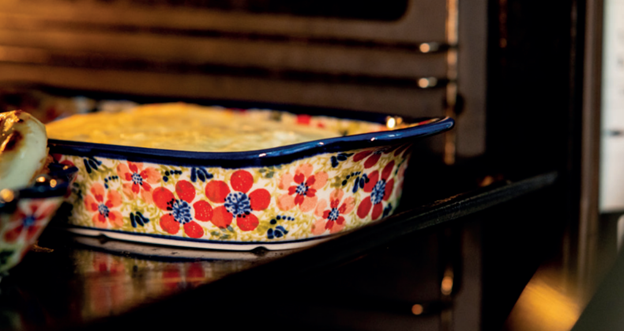
Standing in the cookware aisle, staring at those large, imposing roasting pans, many home cooks find themselves questioning whether this substantial kitchen investment is truly necessary. A roasting pan represents far more than just an oversized baking dish—it's a specialized piece of equipment designed to transform tough cuts of meat into tender, flavorful masterpieces.
The confusion surrounding roasting pans often stems from their seemingly simple appearance. At first glance, they might look like glorified rectangular dishes, but their engineering serves specific culinary purposes that standard bakeware simply cannot match. Understanding these distinctions can revolutionize your approach to large-scale cooking and holiday meal preparation.
Defining the Modern Roasting Pan
A true roasting pan combines shallow depth with maximum surface area to promote proper heat circulation and browning. Unlike deeper baking dishes, roasting pans typically measure between 2-3 inches in height, allowing hot oven air to circulate freely around proteins and vegetables. This design principle ensures even cooking and develops the coveted caramelized exterior that makes roasted foods so appealing.
The dimensions matter significantly for cooking performance. Standard roasting pans range from 14x10 inches for smaller households to massive 18x13 inch versions capable of handling large turkeys or multiple chickens simultaneously. The width-to-depth ratio creates an environment where moisture evaporates efficiently while maintaining enough depth to catch drippings for gravy preparation.
Quality roasting pans feature several distinctive characteristics:
• Heavy-gauge construction - Prevents warping under high temperatures and ensures even heat distribution
• Low, straight sides - Allows easy basting access while promoting proper air circulation
• Sturdy handles - Essential for safely maneuvering heavy, hot loads in and out of ovens
• Compatible rack systems - Elevates proteins above drippings for superior browning and easier cleanup
Material Considerations and Performance Impact
The material composition of roasting pans dramatically affects cooking results and maintenance requirements. Ceramic roasting pans excel in heat retention and even temperature distribution, making them ideal for longer cooking processes like braising and slow roasting. The thermal mass of ceramic prevents rapid temperature fluctuations that can toughen proteins or create uneven cooking.
Ceramic's non-reactive surface proves particularly valuable when working with acidic ingredients like wine-based sauces or tomato reductions. The material won't impart metallic flavors or react with acidic components, ensuring pure flavor development throughout the cooking process.
However, ceramic roasting pans require careful handling due to thermal shock sensitivity. Gradual temperature changes prevent cracking and ensure longevity of your ceramic cookware investment. Pre-heating empty ceramic pans should be avoided, and cold ingredients shouldn't be added to hot ceramic surfaces without proper temperature management.
Essential Techniques for Roasting Pan Success
Mastering roasting pan techniques begins with understanding heat dynamics within your oven environment. Proper preheating of the roasting pan creates an initial sear that locks in juices and develops complex flavors. This technique works particularly well for vegetables and smaller proteins that benefit from immediate contact with hot surfaces.
The positioning within your oven significantly impacts cooking results. Lower rack positions provide more intense bottom heat for browning, while middle positions offer balanced heat circulation. Understanding your oven's hot spots and adjusting pan position accordingly prevents uneven cooking and disappointing results.
Effective roasting pan techniques include:
• Strategic ingredient placement - Denser vegetables on the bottom, delicate items on top
• Proper spacing - Avoiding overcrowding ensures proper heat circulation
• Liquid management - Adding small amounts of liquid prevents burning while creating pan drippings
• Temperature monitoring - Using instant-read thermometers for accurate doneness assessment
Beyond Holiday Cooking: Year-Round Applications
While many associate roasting pans exclusively with holiday turkey preparation, these versatile vessels serve numerous year-round cooking applications that justify their kitchen real estate. Large-batch meal preparation becomes manageable with proper roasting pan utilization, allowing busy families to prepare weekly proteins efficiently.
Sheet pan dinners, currently trending in home cooking circles, often require the extra space and depth that roasting pans provide. The ability to cook proteins and vegetables simultaneously while maintaining proper spacing and heat circulation makes roasting pans invaluable for one-pan meal strategies.
Consider these diverse roasting pan applications:
• Batch cooking - Preparing multiple chicken breasts or pork tenderlions for weekly meals
• Vegetable medleys - Roasting large quantities of seasonal vegetables for various dishes
• Bread baking - Creating steam environments for artisanal bread crusts
• Dessert preparation - Large-format cobblers, crumbles, and sheet cake alternatives
Space and Storage Considerations
The substantial size of quality roasting pans presents legitimate storage challenges in smaller kitchens. Before investing in a roasting pan, honestly assess your available storage space and cooking frequency. A pan that lives in a hard-to-reach cabinet and rarely sees use represents poor resource allocation.
However, creative storage solutions can accommodate roasting pans even in compact kitchens. Vertical storage in base cabinets, overhead storage in pantries, or multi-purpose furniture with hidden storage can house these larger items without sacrificing daily functionality.
Looking to maximize your kitchen's potential? Explore our bathroom collection for space-saving ceramic solutions that demonstrate how thoughtful design adapts to any environment.
Quality Indicators and Investment Considerations
Professional-grade roasting pans justify their higher cost through superior performance and longevity. Look for thick, heavy construction that prevents warping under high temperatures and maintains consistent heat distribution throughout the cooking process. Lightweight pans often create hot spots and uneven browning that compromises cooking results.
Handle construction deserves particular attention, as you'll be maneuvering heavy, hot loads regularly. Welded or rivetted handles provide superior strength compared to spot-welded alternatives. Comfortable grip design prevents accidents and allows confident handling even when wearing thick oven mitts.
The investment in a quality roasting pan often pays dividends through improved cooking results and reduced need for replacement. Cheap alternatives frequently warp, develop hot spots, or fail at handles, creating safety hazards and disappointing culinary outcomes.
Maintenance and Longevity Strategies
Proper maintenance extends roasting pan life and maintains optimal cooking performance. Ceramic roasting pans require gentle cleaning techniques to preserve their non-reactive surfaces and prevent thermal damage. Avoiding abrasive cleaners and extreme temperature changes during cleaning protects your investment.
Immediate cleaning after use, while the pan remains warm, facilitates easier removal of cooked-on residues. Soaking with warm, soapy water loosens stubborn bits without requiring aggressive scrubbing that might damage ceramic surfaces.
For those expanding beyond roasting, our kitchen bowls collection offers complementary pieces that share similar care requirements and aesthetic appeal.
Making the Investment Decision
The decision to purchase a roasting pan should align with your actual cooking habits rather than aspirational kitchen goals. Honest evaluation of your meal preparation frequency, guest entertaining patterns, and available storage space guides this decision more effectively than impulse purchases or gift acquisitions.
Consider your cooking evolution trajectory. New cooks might benefit from starting with smaller, more versatile pieces before graduating to specialized equipment. Experienced home cooks who regularly prepare large meals or entertain frequently will likely find roasting pans indispensable.
Conclusion: Matching Tools to Cooking Reality
The question isn't whether roasting pans are good cookware—it's whether they match your specific cooking needs and kitchen constraints. For home cooks who regularly prepare large proteins, batch cook for meal prep, or entertain groups, a quality roasting pan represents an essential tool that elevates cooking capabilities.
However, occasional cooks or those with severe space limitations might find their money better invested in more frequently used cookware. The key lies in honest self-assessment of your cooking patterns and commitment to utilizing specialized equipment effectively.
Quality roasting pans serve dedicated home cooks for decades, making them worthwhile investments when properly matched to cooking needs and kitchen realities.
Validate your login
Sign In
Create New Account