


Is Ceramic Better Than Porcelain for Bowls?


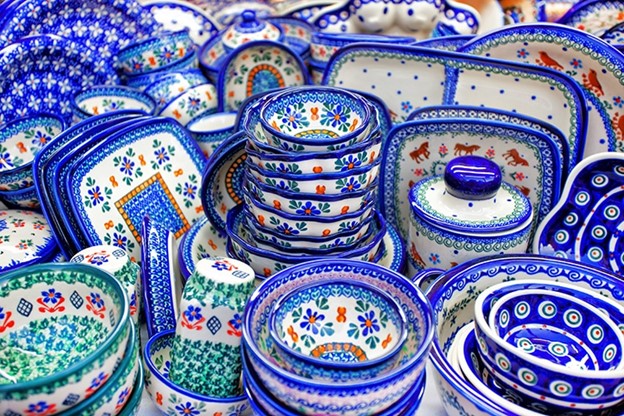
The eternal kitchen debate between ceramic and porcelain bowls continues to puzzle home cooks and professional chefs alike. While both materials offer distinct advantages, understanding their fundamental differences can dramatically impact your dining experience and kitchen functionality. The choice between ceramic and porcelain isn't simply about aesthetics—it's about matching material properties to your specific cooking and serving needs.
Before diving into comparisons, it's crucial to understand that porcelain is technically a type of ceramic. However, in common usage, "ceramic" typically refers to earthenware and stoneware, while "porcelain" describes the refined, high-fired ceramic variety. This distinction forms the foundation of our comparison.
Material Composition and Manufacturing Differences
Ceramic bowls are crafted from clay fired at temperatures between 1,800-2,100°F, resulting in a porous, less dense material. The clay composition often includes natural impurities that contribute to the material's rustic charm and varied coloration. This manufacturing process creates bowls with character variations that many find appealing for casual dining and everyday use.
Porcelain bowls undergo a more rigorous creation process, fired at temperatures exceeding 2,200°F. The higher firing temperature creates a vitrified, non-porous surface that's naturally more hygienic and stain-resistant. The refined clay mixture, often including kaolin and feldspar, produces the characteristic white, translucent appearance that has made porcelain synonymous with elegance.
These manufacturing differences directly impact performance characteristics:
• Density and weight - Porcelain bowls feel lighter despite their durability
• Surface smoothness - Porcelain offers superior scratch resistance
• Thermal properties - Different heat retention and distribution patterns
• Absorption rates - Porcelain's non-porous nature prevents odor retention
Durability and Practical Performance
When it comes to everyday durability, porcelain bowls significantly outperform traditional ceramic varieties in chip resistance and longevity. The vitrification process creates a material that's surprisingly resilient despite its delicate appearance. Professional restaurants often choose porcelain specifically for its ability to withstand constant use and commercial dishwashing cycles.
Ceramic bowls, while more prone to chipping, offer their own durability advantages. The thicker walls and more forgiving material can actually survive drops better than porcelain in certain circumstances. The repair-friendly nature of ceramic makes minor chips less noticeable and easier to live with in casual settings.
For those prioritizing long-term kitchen investments, consider exploring our complete kitchen collection to understand how different materials complement various cooking styles and preferences.
Heat Retention and Cooking Performance
Ceramic bowls excel in heat retention, making them ideal for serving hot soups, stews, and other warm dishes. The material's thermal mass keeps food warmer longer, though it also means ceramic bowls can become uncomfortably hot to handle. This characteristic makes ceramic particularly valuable for dishes intended to stay warm throughout extended meals.
Porcelain bowls heat up quickly but also cool down faster, providing more comfortable handling temperatures. This thermal behavior makes porcelain excellent for cold preparations and dishes where rapid temperature changes are desirable. The smooth, non-porous surface also prevents flavor transfer between different foods.
Consider these thermal characteristics when choosing bowls:
• Hot food service - Ceramic maintains temperature longer
• Cold preparations - Porcelain provides better temperature control
• Microwave use - Both perform well, but ceramic retains heat longer
• Dishwasher safety - Porcelain handles temperature cycling better
Aesthetic Considerations and Style Flexibility
The visual appeal of each material serves different design philosophies. Ceramic bowls embrace imperfection and natural variation, offering rustic charm that complements farmhouse, casual, and eclectic décor styles. The ability to showcase glaze variations and surface textures makes ceramic ideal for artisanal presentations.
Porcelain bowls provide refined elegance and consistent appearance that suits formal dining and modern minimalist aesthetics. The pure white canvas of porcelain allows food colors to shine without visual competition. This neutrality makes porcelain incredibly versatile across different cuisine types and presentation styles.
Maintenance and Hygiene Factors
Daily maintenance requirements differ significantly between these materials. Porcelain's non-porous surface resists staining and odor absorption, making it virtually maintenance-free with standard washing. The smooth surface prevents bacterial growth and makes thorough cleaning effortless.
Ceramic bowls require slightly more attention due to their porous nature. Proper seasoning and careful cleaning prevent staining and odor retention. However, many users find this small maintenance requirement worthwhile for ceramic's unique aesthetic and thermal properties.
Looking beyond bowls? Our coffee-tea collection offers both ceramic and porcelain options, perfect for experiencing how material choice affects different beverages.
Cost Considerations and Value Assessment
Initial investment costs typically favor ceramic bowls, which generally retail for less than comparable porcelain pieces. However, the longevity factor often makes porcelain more economical over time, especially in high-use situations. Professional kitchens frequently choose porcelain specifically for its cost-effectiveness across extended use periods.
Consider your usage patterns when evaluating cost:
• Occasional use - Ceramic offers good value for infrequent serving
• Daily use - Porcelain's durability justifies higher initial cost
• Replacement frequency - Porcelain requires fewer replacements over time
• Multi-purpose needs - Versatile porcelain handles diverse cooking tasks
Making the Right Choice for Your Kitchen
The "better" choice depends entirely on your specific needs, aesthetic preferences, and usage patterns. Casual home cooks who value character and warmth might prefer ceramic bowls for their rustic appeal and excellent heat retention. Precision-focused cooks and formal entertainers often gravitate toward porcelain for its consistency and elegance.
Consider your cooking style, maintenance preferences, and long-term kitchen goals when making this decision. Many serious home cooks maintain both types, using each for its strengths—ceramic for hearty, homestyle meals and porcelain for refined presentations and everyday versatility.
Conclusion: Understanding Your Priorities
Rather than declaring one material universally superior, successful kitchen management involves matching tools to tasks and personal preferences. Both ceramic and porcelain bowls offer distinct advantages that can enhance different aspects of your culinary experience.
The key lies in honestly evaluating your cooking habits, aesthetic preferences, and maintenance tolerance. Whether you choose the rustic warmth of ceramic or the refined performance of porcelain, selecting quality bowls that align with your needs ensures years of satisfying kitchen performance.
Validate your login
Sign In
Create New Account