


D-56
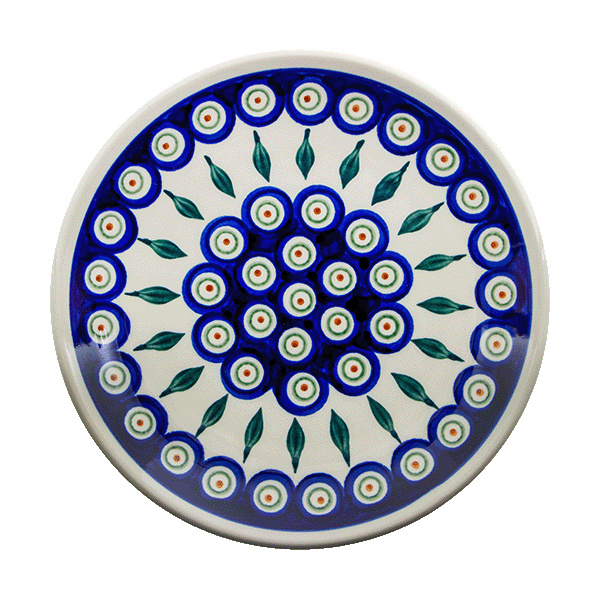
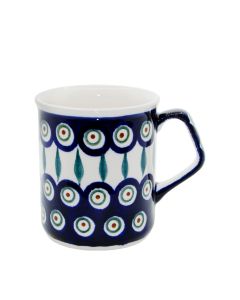
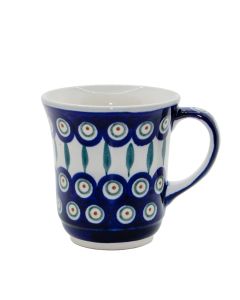
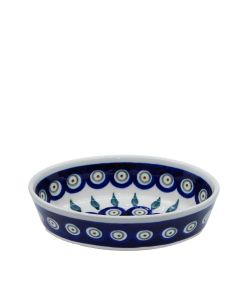
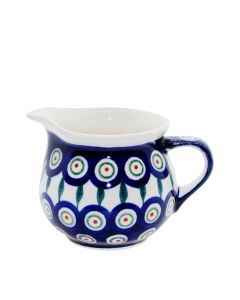
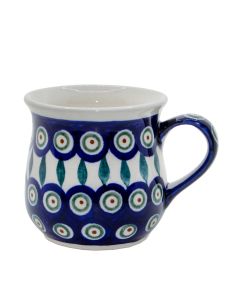
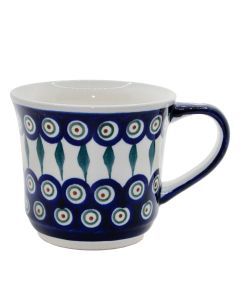
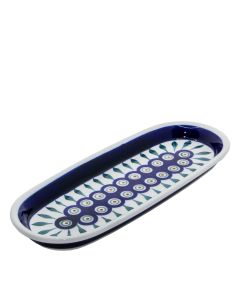
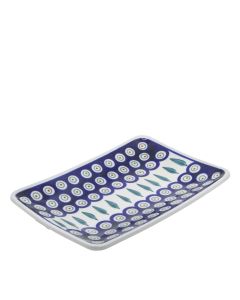
The Heritage of D-56 The D-56 decoration represents one of the oldest and most classic designs from the Zakłady Ceramiczne "BOLESŁAWIEC". It combines distinctive "peacock eye" stamped patterns with hand-painted leaves. This traditional technique dates back to 1882 when local potters developed a decoration method using sponges with underglaze paints in vibrant cobalt blue and green colors. Each D-56 piece shows the skilled hands that made it. The designs speak a language older than those who create them now. They carry history from the Polish region of Lower Silesia to dining tables across the world.
The Peacock Eye Pattern
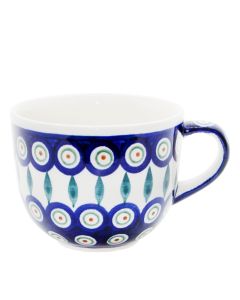
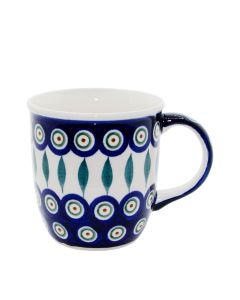
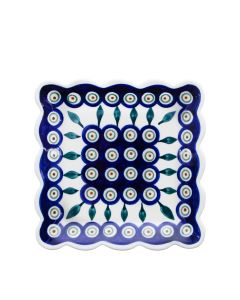
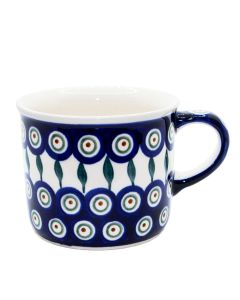
The "peacock eye" pattern defines the D-56 collection. Potters create these distinctive circular impressions using a specialized sponge-stamping technique. The spots appear in rhythmic patterns across the ceramic surface.
The pattern's name comes from its resemblance to the eye spots on peacock feathers. The circular forms have clear borders. The centers show subtle color variations. The arrangement creates balance without perfect symmetry.
Hand-Painted Leaves
Complementing the stamped patterns, hand-painted leaves add organic elements to each D-56 piece. Artists apply these leaves with deliberate brushstrokes. The green contrasts with the cobalt blue.
This approach defines D-56. The mechanical precision of stamps meets the human variation of hand-painting. No two pieces match exactly.
Craftsmanship Behind D-56: Techniques and Skills
The creation of D-56 pottery demands specific skills passed through generations. Potters train for years. They learn patience. They develop muscle memory.
The techniques remain largely unchanged since the late 19th century. Modern tools assist but don't replace the human element. The knowledge is transferred from the master to the apprentice. The standards remain high.
The Stamping Process
The stamping technique requires careful preparation. Potters cut natural sponges into specific shapes. They attach these to wooden handles. They mix underglaze paints to exact color specifications.
The potter applies the stamp with consistent pressure. Too light: the pattern fades. Too heavy: the design blurs. The spacing must maintain rhythm. The coverage must appear balanced yet natural.
Between stampings, the artisan refreshes the sponge with paint. They work methodically around each piece. They ensure pattern continuity across curved surfaces.
Firing and Glazing
After stamping and hand-painting, each piece undergoes firing. The kiln temperatures reach over 1000°C. The heat sets the underglaze colors. The patterns become permanent.
Glaziers then apply the transparent coating. They dip pieces completely and ensure even coverage. The glaze creates the characteristic glossy finish. It makes pieces food-safe and durable.
A second firing follows. The glaze melts. It bonds with the underglaze decoration. It seals the artwork beneath a clear protective layer. The colors intensify. The design comes alive.
D-56 in Modern Homes
D-56 pottery transcends mere decoration. These pieces work in kitchens and dining rooms.
The durability makes them practical. The designs make them beautiful. Families pass them through generations.
From Display to Daily Service
D-56 pieces serve multiple purposes:
- coffee mugs start mornings
- dinner plates host meals
- baking dishes go from oven to table
Collectors display pieces on open shelving. The blue and green patterns add color to neutral spaces and create visual impact through repetition.
Restaurants and cafés use D-56 for authentic presentation. Food photographers choose the pottery for contrast. Interior designers incorporate pieces as accent elements.

Validate your login
Sign In
Create New Account