


A Guide to Crafting Pottery Bowls With Decorative Designs and Textures


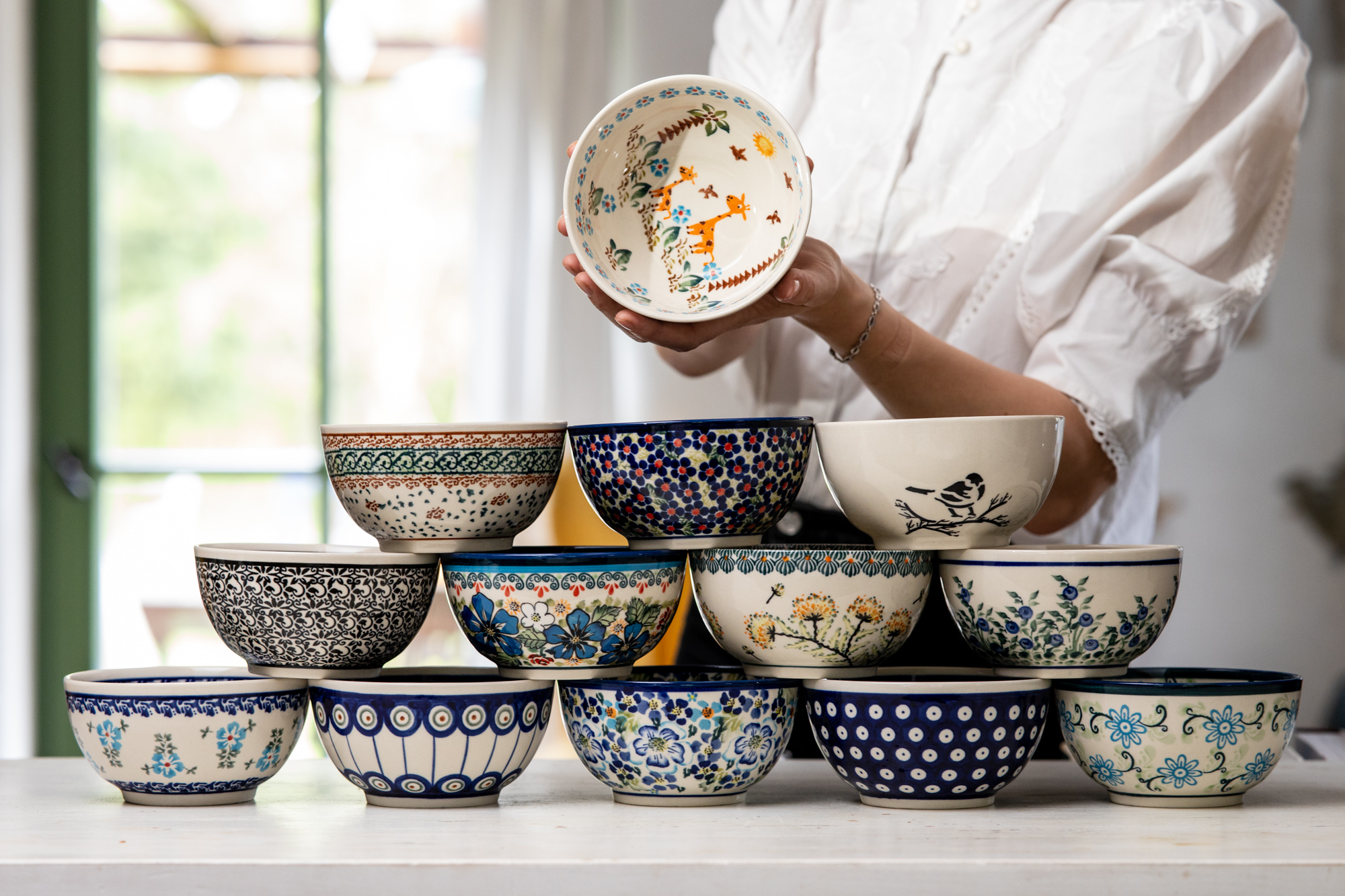
The art of creating decorative pottery bowls represents one of humanity's oldest and most enduring crafts. From ancient civilizations to modern artisans, the quest to transform simple clay into functional art pieces continues to captivate creators worldwide. Whether you're a seasoned potter or just beginning your ceramic journey, understanding the intricate process of crafting kitchen bowls with stunning decorative elements can elevate your work from ordinary to extraordinary.
Understanding Clay: The Foundation of Beautiful Bowls
The success of any decorative pottery bowl begins with selecting the right clay body. Different clay types offer unique properties that directly impact both the crafting process and the final aesthetic result. Earthenware clay, with its lower firing temperature, provides excellent workability for intricate surface decorations but requires careful glazing to achieve water resistance. Stoneware clay, firing at higher temperatures, offers superior durability and natural beauty, making it ideal for functional kitchen pieces.
When preparing your clay, consider these essential factors:
• Plasticity levels - Higher plasticity allows for more detailed decorative work
• Grog content - Added fired clay particles provide texture and reduce shrinkage
• Iron content - Affects the final color and how glazes interact with the clay body
• Firing temperature range - Must match your intended glazing and decoration techniques
The preparation process requires thorough wedging to eliminate air bubbles and create uniform consistency. This foundational step ensures your decorative elements won't crack or separate during the drying and firing processes.
Shaping Techniques for Decorative Success
Creating the basic bowl form requires mastery of centering and pulling techniques on the potter's wheel. The wall thickness must remain consistent to prevent warping during decoration and firing. Start with slightly thicker walls than you might typically use, as decorative techniques often require additional clay manipulation.
For those working without a wheel, hand-building techniques like pinching and coiling offer excellent opportunities for organic, textural surfaces. The pinching method allows for immediate decorative integration, while coiling enables the creation of larger vessels with built-in textural elements.
Temperature control during the initial shaping phase proves crucial for decorative success. Clay that's too wet won't hold fine details, while overly dry clay becomes prone to cracking when manipulated. The leather-hard stage represents the optimal window for most decorative techniques.
Surface Preparation and Design Planning
Before applying any decorative elements, proper surface preparation sets the stage for professional results. Smooth any tool marks or imperfections that might interfere with your planned decoration. Use a damp sponge and metal ribs to achieve the desired surface quality.
Design planning should consider both aesthetic appeal and functional requirements. Sketch your ideas on paper first, considering how handles, spouts, or other functional elements will integrate with your decorative scheme. Remember that decorative elements on the interior of kitchen bowls must be food-safe and won't interfere with cleaning.
Popular decorative approaches include:
• Geometric patterns - Clean lines and repeated motifs that complement modern aesthetics
• Nature-inspired designs - Organic forms, leaves, flowers, and animal motifs
• Abstract textures - Focusing on surface quality rather than representational imagery
• Cultural motifs - Drawing inspiration from traditional pottery styles and techniques
Advanced Texture Techniques
Sgraffito represents one of the most versatile decorative techniques for pottery bowls. This method involves applying a colored slip or underglaze, then scratching through to reveal the clay body beneath. The contrast creates striking visual interest while maintaining the bowl's functional integrity. Tools ranging from traditional pottery needles to everyday items like combs or stamps can create varied line qualities and patterns.
Impressed textures offer another avenue for surface decoration. Natural materials like leaves, shells, or bark pressed into leather-hard clay create organic textures that celebrate nature's own patterns. Manufactured tools such as stamps, rollers, or even textured fabrics can produce consistent, repeatable patterns ideal for production work.
For those seeking three-dimensional effects, applied decoration techniques involve attaching additional clay elements to the basic bowl form. Proper scoring and slip application ensure strong bonds that survive the firing process. Small flowers, geometric shapes, or abstract forms can transform a simple bowl into a sculptural statement piece.
Ready to explore beyond bowls? Our collection of ceramic mugs offers another canvas for your decorative pottery skills, perfect for practicing smaller-scale detailed work.
Glazing Strategies for Enhanced Beauty
The glazing phase represents your final opportunity to enhance the decorative elements you've so carefully crafted. Understanding glaze interaction with different decorative techniques prevents disappointing surprises after the final firing. Some glazes will obscure fine sgraffito lines, while others enhance textural elements through color pooling effects.
Consider these glazing approaches for decorated bowls:
• Clear glazes - Showcase the natural clay color and decorative work underneath
• Colored transparent glazes - Add hue while maintaining decorative visibility
• Matte glazes - Provide subtle color without overwhelming surface textures
• Specialty effect glazes - Create unique visual interest but may obscure fine details
Multiple glaze applications can create complex color relationships, but each additional layer increases the risk of running or crawling. Test all glaze combinations on sample pieces before committing to finished work.
Firing Considerations and Troubleshooting
Proper kiln loading and firing schedules prove essential for maintaining decorative integrity. Decorative elements often create varying clay thicknesses that require careful heating and cooling rates. Program your kiln controller for slower temperature climbs during the critical dehydration and quartz inversion phases.
Common firing issues with decorated pottery include cracking along decorative seams, glaze defects over textured areas, and color variations due to kiln atmosphere changes. Maintaining detailed firing logs helps identify patterns and improve future results.
Post-firing evaluation should examine both the aesthetic success of your decorative elements and their functional integration. Sharp edges or protruding elements might require light sanding for safety, while glaze defects might necessitate refiring with corrective applications.
Functional Integration and Finishing
The most successful decorative pottery bowls seamlessly blend beauty with functionality. Decorative elements should enhance rather than compromise the bowl's intended use. Interior decorations must be food-safe, while exterior elements shouldn't interfere with handling or stacking.
Final finishing might include light sanding of foot rings for stable sitting, testing of drainage if applicable, and quality control inspection for any sharp edges or unstable decorative elements. Professional presentation often involves photographing your work to document successful techniques for future reference.
Looking to expand your pottery skills into other areas? Consider exploring our cutting boards collection, where ceramic craftsmanship meets practical kitchen functionality.
Conclusion: Mastering the Art of Decorative Pottery
Creating beautiful, functional pottery bowls with decorative elements requires patience, practice, and attention to detail at every stage. From clay selection through final firing, each decision impacts the final result. The most rewarding aspect of this craft lies in developing your personal decorative style while maintaining the functional integrity that makes pottery relevant to daily life.
Remember that mastery comes through consistent practice and willingness to learn from both successes and failures. Each bowl you create offers opportunities to refine your techniques and explore new decorative possibilities. The combination of artistic expression and functional craft ensures that decorative pottery bowls remain both personally satisfying to create and genuinely useful in daily life.
Whether you're creating pieces for personal use, gifts, or sale, the principles outlined in this guide provide a solid foundation for success. The journey of pottery making rewards those who embrace both its technical challenges and creative possibilities.
Validate your login
Sign In
Create New Account