


A Guide to Choosing a Mortar and Pestle


A mortar and pestle is one of the oldest and most essential tools in any serious cook's arsenal. It transforms ordinary ingredients into extraordinary flavors through the simple act of grinding and crushing.
Whether you're a professional chef or a home cooking enthusiast, selecting the right mortar and pestle can dramatically enhance your culinary creations.
The market offers a wide range of options in various materials, sizes, and designs. This abundance of choice often leaves buyers confused about which features matter most.
In this article, we present the key differences between materials, sizes, and construction quality that will help you make an informed decision.
Why Should You Use a Mortar and Pestle in Your Kitchen?
1. Unlocking Maximum Flavor Potential
A mortar and pestle releases essential oils and aromatic compounds that pre-ground spices simply cannot match.
When you crush whole spices like peppercorns, coriander seeds, or cardamom pods, you break open the cell walls containing volatile oils. These oils carry the most intense flavors and aromas.
Pre-ground spices lose their potency quickly once exposed to air and light. Fresh grinding preserves these delicate compounds until the moment you use them. The difference in taste is immediately noticeable in your finished dishes.
2. Creating Authentic Textures and Consistencies
Many traditional recipes require specific textures that only hand-grinding can achieve.
Thai curry pastes, Mexican moles, and Indian spice blends all depend on the unique crushing action of a mortar and pestle. This tool creates partially crushed ingredients with varying particle sizes that contribute to complex flavor profiles.
Food processors and spice grinders create uniform powder, but they cannot replicate the varied textures that traditional grinding methods produce. The pestle's crushing motion bruises herbs and spices rather than cutting them, preserving more of their natural character.
3. Versatile Applications Beyond Spices
Modern kitchens use mortars and pestles for numerous tasks beyond spice grinding. They excel at making fresh pesto, guacamole, and other chunky sauces where texture matters.
You can crush garlic into a smooth paste, break down coarse sea salt, or create custom spice blends.
These tools also work perfectly for crushing ice, making breadcrumbs, or pulverizing nuts for dessert preparations. Their versatility makes them indispensable for cooks who value traditional techniques and authentic flavors.
What Materials Make the Best Mortar and Pestle?
1. Granite
Granite mortars and pestles rank among the most durable and effective options available. Their extremely hard surface resists scratching and maintains its grinding effectiveness for decades.
The natural texture of granite provides excellent friction for crushing even the hardest spices and seeds.
These heavy-duty tools handle wet and dry ingredients equally well. They won't absorb flavors, colors, or odors from previous use.
Granite's weight provides stability during vigorous grinding sessions, preventing the mortar from sliding across your work surface.
The main drawback of granite is its weight, which can make storage and handling challenging. However, this weight contributes significantly to its effectiveness and stability during use.
2. Marble
Marble mortars offer an attractive balance of functionality and aesthetics. Their smooth, cool surface works exceptionally well for grinding delicate spices and creating smooth pastes.
Marble's moderate hardness makes it gentler on ingredients than granite while still providing effective grinding action. These mortars work particularly well for herbs, soft spices, and ingredients that benefit from gentle crushing rather than aggressive pounding.
Care requirements for marble include avoiding acidic ingredients like lemon juice or vinegar, which can damage the surface over time. Regular sealing may be necessary to maintain the marble's appearance and prevent staining.
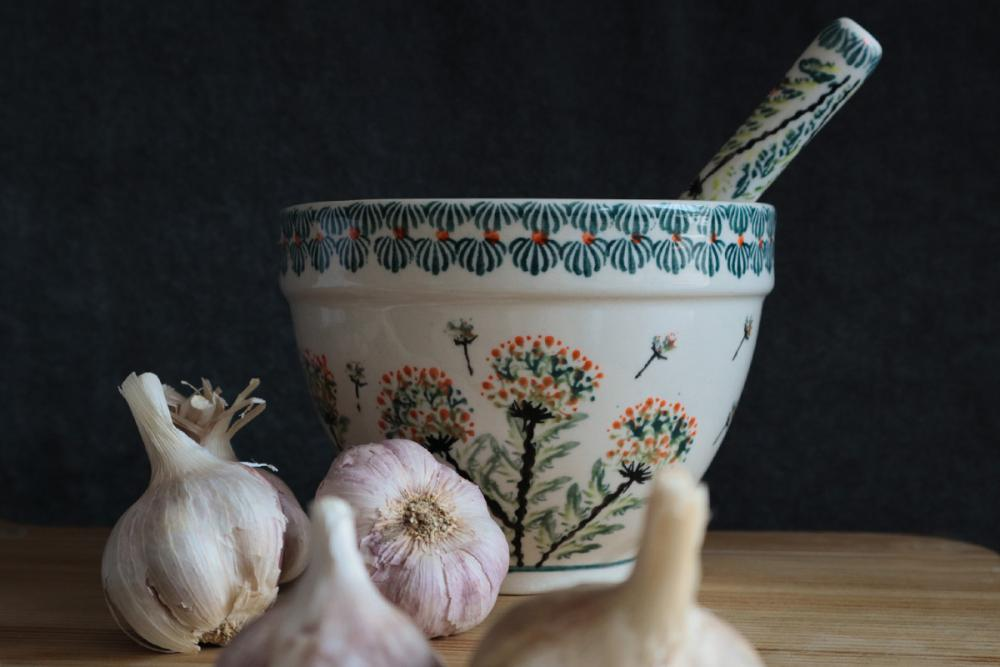
3. Ceramic
Ceramic mortars and pestles offer excellent versatility for everyday kitchen use. They don't absorb flavors, odors, or colors, making them ideal for preparing diverse ingredients without flavor transfer. Their smooth, non-porous surface cleans easily and can typically go in the dishwasher.
Quality ceramic options provide sufficient hardness for most home cooking needs while remaining gentler than stone alternatives. They work well for both wet and dry ingredients, making them excellent all-purpose choices for busy kitchens.
The primary concern with ceramic is fragility. Dropping a ceramic mortar can result in chips or cracks that compromise its effectiveness. However, well-made ceramic mortars from reputable manufacturers offer years of reliable service with proper care.
4. Wood
Wooden mortars and pestles bring natural beauty and traditional appeal to the kitchen. They work best with dry ingredients like whole spices, nuts, and seeds.
The natural oils in wood can enhance certain flavors over time, creating a seasoned tool that improves with use.
These lightweight options are easy to handle and store. They're particularly popular for specific applications like grinding spices for barbecue rubs or preparing traditional spice blends from certain culinary traditions.
Wood's limitations include susceptibility to moisture damage and odor absorption. Wet ingredients can cause cracking, warping, or bacterial growth if not properly dried. Regular oiling is necessary to maintain the wood's condition and prevent cracking.
How Do You Choose the Right Size and Design?
Size selection depends on your typical cooking quantities and storage constraints.
-
Small mortars (2-3 inches in diameter) work well for grinding individual servings of spices or making small amounts of paste. They're perfect for apartments or kitchens with limited storage space.
-
Medium-sized mortars (4-5 inches) handle most home cooking needs effectively. They accommodate family-sized portions while remaining manageable for regular use. This size offers the best balance of capacity and practicality for most home cooks.
-
Large mortars (6+ inches) suit serious cooks who frequently prepare large batches or entertain regularly. Professional kitchens often prefer these sizes for their efficiency and capacity. However, they require significant storage space and can be quite heavy when made from stone materials.
Evaluating Bowl Depth and Shape
The bowl's interior shape affects grinding efficiency. Rounded bottoms work well for most applications, allowing ingredients to circulate naturally during grinding.
Look for bowls with walls at least 2-3 inches high for optimal containment.
Smooth interior surfaces generally work better than heavily textured ones. While some texture aids grinding, too much roughness can make cleaning difficult and may trap food particles between uses.
-
Deep bowls prevent ingredients from escaping during vigorous grinding.
-
Shallow mortars may look elegant, but often frustrate users when spices scatter across the work surface.
Assessing Weight and Stability
Heavier mortars provide better stability during use but may be challenging to move or store. The weight should feel substantial enough to prevent sliding during vigorous grinding without being so heavy that it becomes cumbersome to use regularly.
A good mortar should feel solid and well-balanced when you lift it. The pestle should have enough weight to do most of the work through gravity rather than requiring excessive force from your arm and wrist.
Consider your physical capabilities and intended use frequency when evaluating weight. A mortar that's too heavy for comfortable use will likely sit unused in your cabinet.
Pestle Design and Fit
The pestle should fit comfortably in your hand with a secure grip. Look for designs with slightly bulbous ends that won't slip from your grasp during use.
The grinding surface should complement the mortar's interior shape for maximum contact and efficiency.
The pestle length should allow for a comfortable grinding motion without your knuckles hitting the mortar's rim. Most effective pestles measure roughly two-thirds the diameter of their corresponding mortar bowls.
Conclusion
Choosing the right mortar and pestle transforms your cooking by unlocking fresh, vibrant flavors that pre-ground alternatives cannot match.
Consider your cooking style, storage space, and ingredient preferences when selecting materials and sizes.
The investment in a quality mortar and pestle pays dividends in improved flavor and cooking satisfaction. Take time to evaluate your needs, and choose a mortar and pestle that will serve you faithfully for years to come.
Frequently Asked Questions
How do I season a new mortar and pestle?
New mortars, especially those made from porous materials like granite, benefit from seasoning before first use. Grind raw rice or dried corn in the mortar until the powder comes out clean and white. This process removes any residual stone dust and smooths minor surface irregularities.
Can I put my mortar and pestle in the dishwasher?
Ceramic mortars and pestles are generally dishwasher-safe, but always check manufacturer instructions. Stone and wooden versions should be hand-washed with minimal soap to preserve their natural properties. Harsh detergents can damage porous surfaces or remove beneficial seasoning.
Why does my mortar and pestle leave gritty residue in my spices?
New stone mortars may shed small particles until properly seasoned. If an established mortar starts producing grit, it may be wearing down due to age or improper cleaning with abrasive materials. Quality mortars should not produce significant residue after proper seasoning.
Validate your login
Sign In
Create New Account