

Kaolin - The White Clay of Polish Pottery


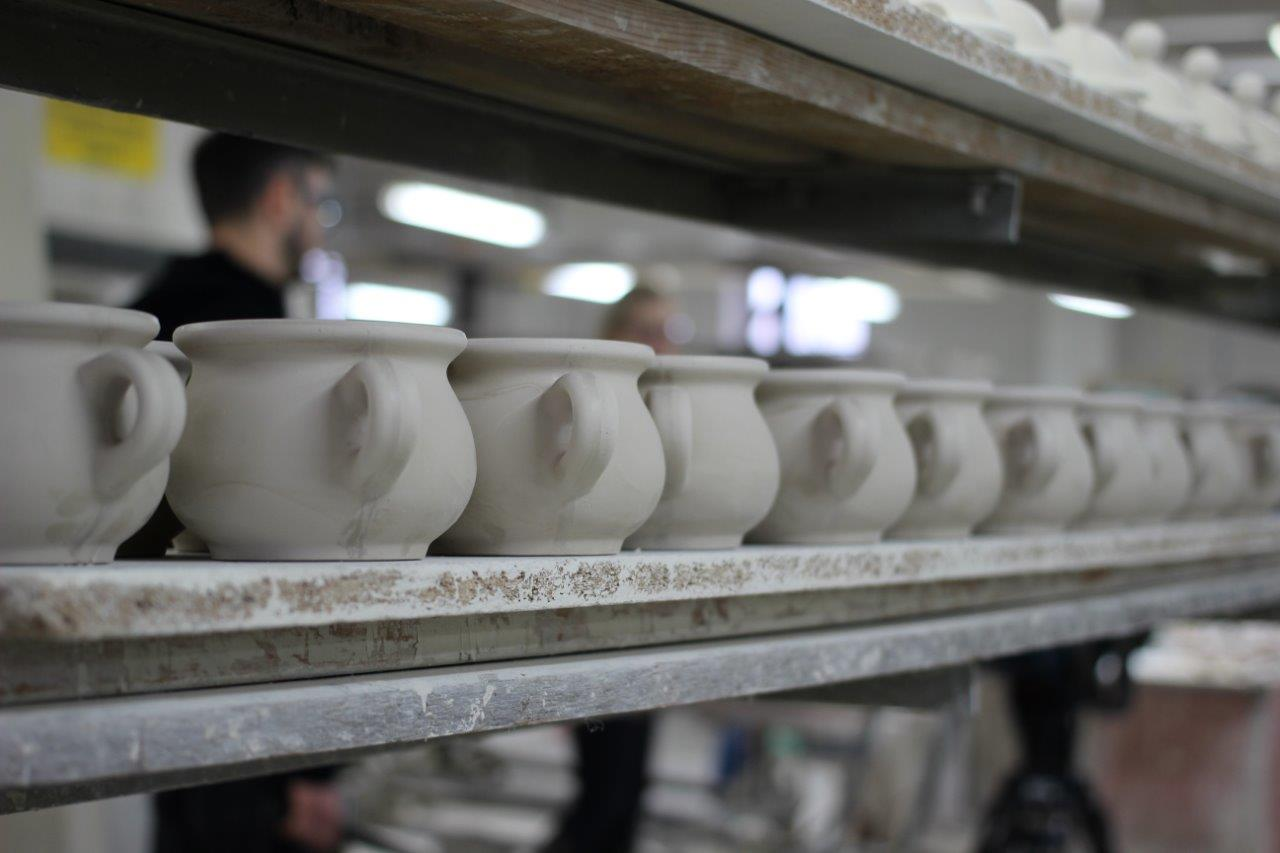
Deep beneath the banks of Poland's Bobr River lies a treasure that has shaped centuries of ceramic artistry. This pristine white clay, known as kaolin, forms the foundation of Poland's world-renowned pottery tradition, transforming humble earth into stunning works of functional art.
Let’s explore how this remarkable material creates the distinctive qualities that make Polish pottery so highly sought after by collectors and everyday users alike.
The Geological Marvel Behind Polish Pottery
The story of kaolin begins not just geologically, but also linguistically, with its name derived from Kao-ling, a hill in China where this precious white clay has been mined for centuries. Samples of kaolin were first sent to Europe by a French Jesuit missionary around 1700 as examples of the materials used by the Chinese in the manufacture of porcelain. This early introduction marked the beginning of Europe's fascination with this extraordinary material.
Unlike ordinary clay, kaolin forms under specific geological conditions that create its signature purity and whiteness. In whiteware ceramic bodies, kaolin can constitute up to 50% of the raw materials, making it the backbone of quality pottery production.
The Bobr River region in southwestern Poland is home to some of Europe's finest kaolin deposits. These sedimentary formations developed over millennia as ancient granite formations weathered and deposited their minerals in layered beds. The result is a clay with exceptionally low iron content, which eliminates the reddish-brown tones that plague other clay types.
According to the Polish Geological Institute – National Research Institute, the total estimated kaolin resources in Poland stood at 225.53 million tonnes at the end of 2023.
What Makes Kaolin Special for Pottery
Kaolin clay is recognized for its fine particle size, high purity, and whiteness, which distinguishes it from other clays, such as ball clay or stoneware clay. This unique composition gives Polish pottery its distinctive characteristics that ceramicists worldwide admire.
The molecular structure of kaolin consists primarily of aluminum silicate, creating a clay that remains stable at high temperatures while maintaining its color integrity. When fired, kaolin undergoes a controlled transformation that strengthens the ceramic body without compromising its aesthetic appeal.
Key properties that make kaolin exceptional include:
-
Superior whiteness - Low iron and titanium content ensures a brilliant white color.
-
High firing temperature tolerance - Maintains structural integrity at 2200°F and above.
Fine particle structure - Creates smooth, refined surfaces ideal for detailed decoration. -
Chemical stability - Resists discoloration and maintains durability over time.
The Polish Pottery Advantage
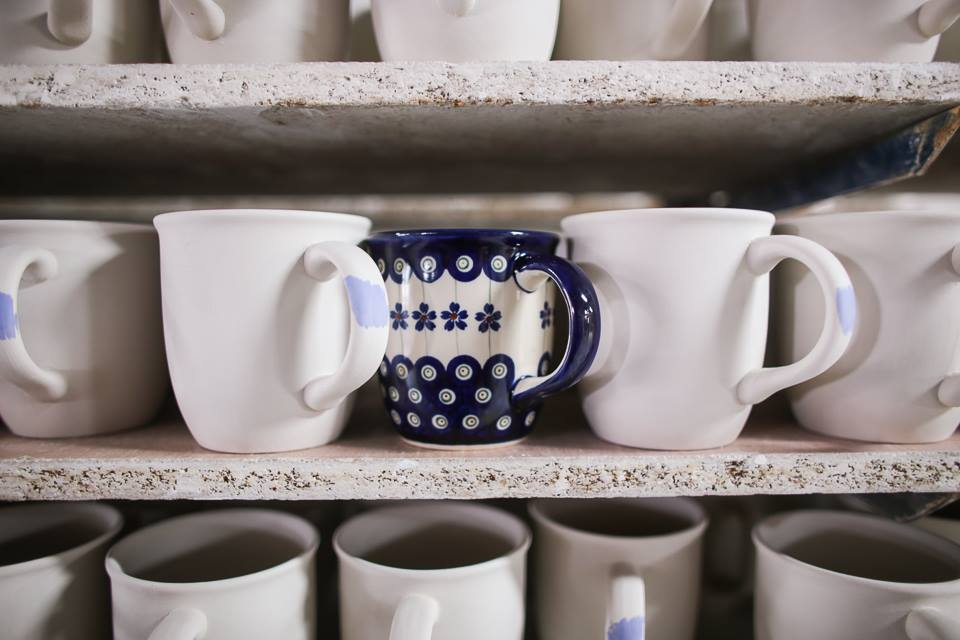
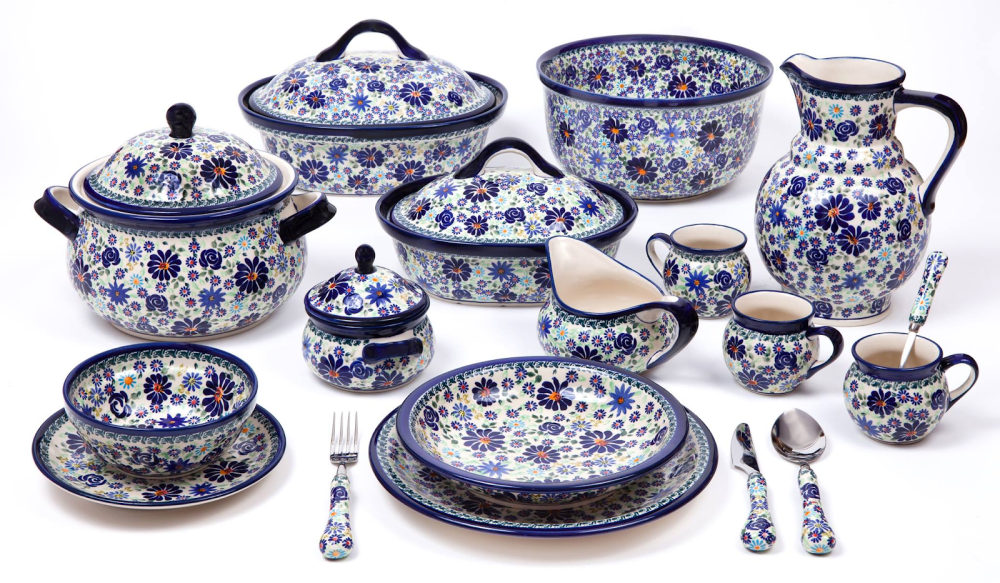
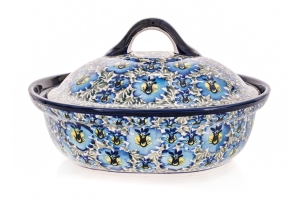
Polish pottery benefits from kaolin deposits that possess particularly favorable characteristics. The clay's consistency and workability enable artisans to create both simple, functional pieces, such as baking dishes and spice kits, and intricate, decorative products with equal success. This versatility has enabled Polish pottery workshops to develop their signature stamping techniques and elaborate hand-painted designs.
In white tableware, kaolin is the major component, offering a combination of properties such as whiteness, rheology, and unfired mechanical strength. These properties translate directly into the superior quality that distinguishes authentic Polish pottery from mass-produced alternatives.
The firing process transforms kaolin into a ceramic body that's both beautiful and practical. The high temperatures used in Polish pottery kilns create a vitrified surface that's naturally non-porous, making the finished pieces safe for food use without requiring additional treatments.
From River Bank to Your Table
Modern Polish pottery production combines traditional techniques with a contemporary understanding of ceramic science. Artisans still hand-select kaolin deposits, but today's workshops employ precise temperature control and atmospheric management during firing to maximize the clay's natural properties.
The transformation process involves several critical stages:
-
Preparation - Raw kaolin is refined and blended to achieve optimal consistency
-
Forming - Skilled potters shape the clay using time-honored techniques
-
Decoration - Artists apply glazes and patterns while the clay remains workable
-
Firing - Controlled high-temperature firing creates the final ceramic structure
Quality control at every stage ensures that each piece meets the exacting standards that have made Polish pottery famous worldwide. The result is ceramic ware that combines beauty with remarkable durability.
The Future of Kaolin in Polish Pottery
As environmental consciousness grows, Polish pottery producers are finding new ways to work sustainably with their kaolin resources. Modern extraction methods minimize environmental impact while preserving the quality that makes this clay so valuable.
Research continues into optimizing kaolin's properties for different ceramic applications. Scientists are developing new firing schedules and clay formulations that could expand the range of products possible with Polish kaolin while maintaining the traditional qualities that collectors prize.
Conclusion
More than just a raw material in Polish pottery production, Kaolin embodies the geological heritage and ceramic traditions that have flourished along the Bobr River for generations. This exceptional white clay transforms through fire and skill into pottery that graces homes worldwide, carrying with it the natural beauty and technical excellence that only the finest materials can provide.
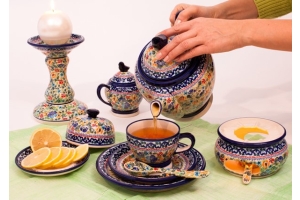
Whether you’re a collector of tea and herb brewing sets, a ceramic artist creating artistic decorations, or simply someone who appreciates beautiful, functional pottery, understanding kaolin's role helps you recognize the remarkable journey from the riverbank to the finished masterpiece that makes Polish pottery truly special.
Validate your login
Sign In
Create New Account