


How to Bake with Polish Pottery


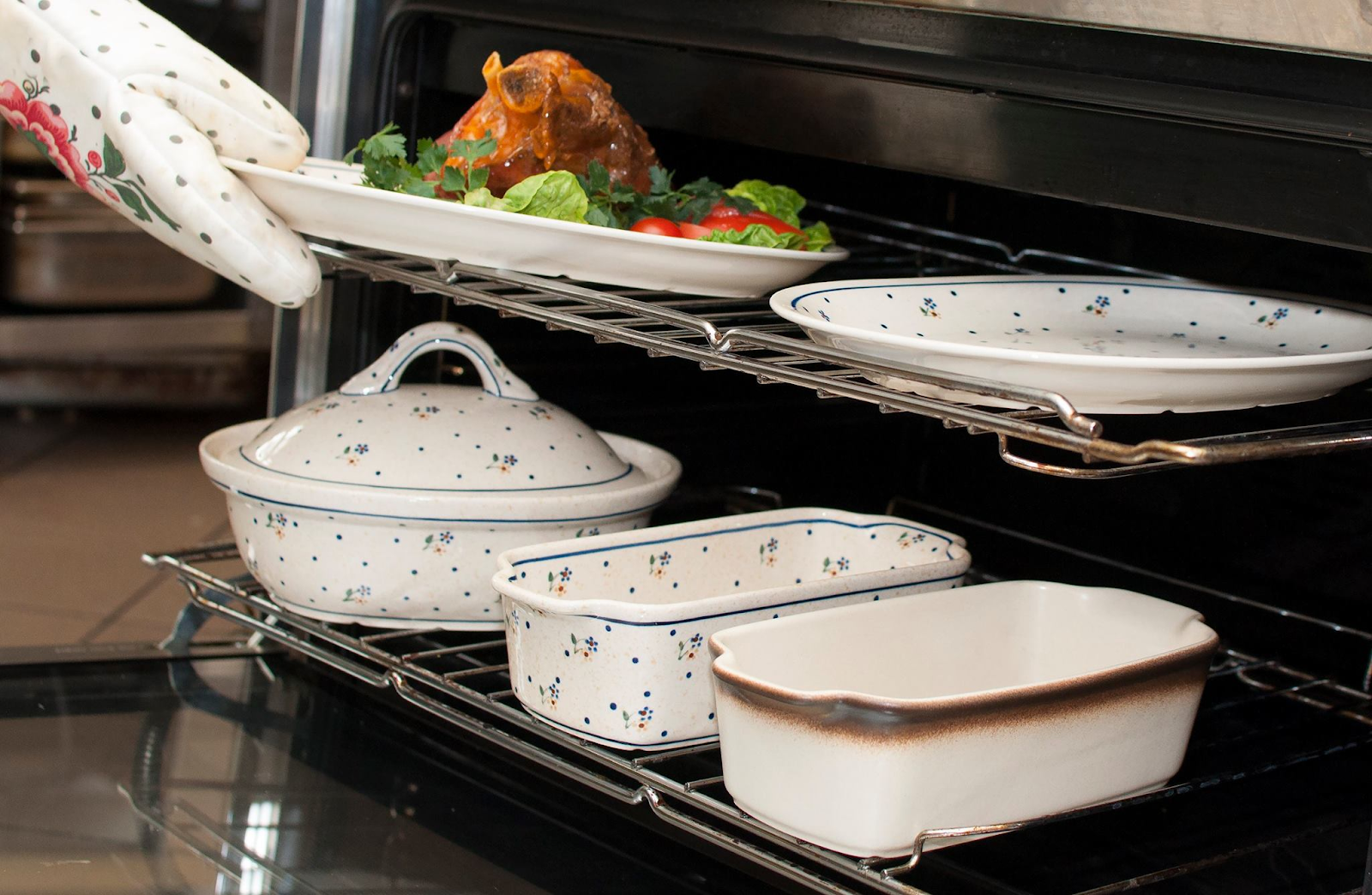
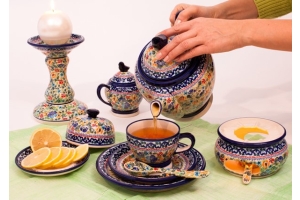
Polish pottery has graced kitchens worldwide for over a millennium, evolving from humble clay vessels into coveted culinary tools that blend artistry with exceptional functionality. These hand-crafted stoneware pieces from Boleslawiec, Poland, offer home bakers something special—the ability to create delicious meals while showcasing centuries-old craftsmanship.
Continue reading to explore the proper techniques, temperature guidelines, and expert tips for maximizing your Polish baking dishes potential.
Understanding Polish Pottery's Unique Composition
The secret behind Polish pottery's remarkable durability lies in the exceptional clay found exclusively in the Boleslawiec region of Poland. Artisans fire this special clay at temperatures exceeding 2,200 degrees Fahrenheit, creating a non-porous, stone-hard surface that can withstand significant thermal stress. The extreme firing process produces stoneware that's naturally resistant to scratches, chips, and thermal shock, making it ideal for both everyday cooking and special occasions.
The high-quality clay creates pottery that becomes "hard as stone" and is classified as true stoneware, distinguishing it from other ceramic cookware. Each piece undergoes meticulous hand-decorating using traditional sponge-stamping techniques, ensuring that no two items are exactly alike. This combination of durability and artistry makes Polish pottery a worthwhile investment for serious home bakers. Collecting them is also said to be a joy-inducing experience for those who adore beautiful, practical pieces that reflect Polish craftsmanship.
Safe Temperature Guidelines for Baking
When baking with Polish pottery, temperature management becomes crucial for both the safety and longevity of your pieces. Most Polish pottery is oven-safe up to 500 degrees Fahrenheit, although conservative estimates suggest staying within the 425-480°F range for optimal results.
Here are essential temperature safety tips:
-
Always place Polish pottery in a cold oven and allow it to heat gradually with the oven
-
Never exceed 480°F to prevent potential thermal stress
-
Avoid placing frozen dishes directly into a hot oven, as rapid temperature changes can cause cracking
-
Allow pieces to cool naturally rather than shocking them with cold water
Experts recommend starting with a cold oven placement and heating gradually to the maximum recommended temperature of 480°F. The gradual heating process respects the stoneware's thermal properties, ensuring your beautiful pottery remains intact for years of baking adventures.
Choosing the Right Polish Pottery for Baking
Different Polish pottery shapes and sizes excel at specific baking tasks, making selection an important consideration for optimal results. Large rectangular baking dishes work wonderfully for casseroles, lasagnas, and sheet-pan meals, while round-covered casseroles excel at braising and slow-cooking techniques.
Consider these factors when selecting baking pieces:
-
Size appropriateness for your typical batch sizes
-
Depth requirements for different types of baked goods
Handle placement and grip comfort for safe oven transfers -
Lid compatibility for covered baking techniques
The glazed surface of authentic Polish pottery provides excellent heat distribution, creating more even cooking than some metal alternatives. Deep pie plates and quiche dishes showcase intricate patterns beautifully while delivering superior baking performance for custard-based desserts and savory tarts.
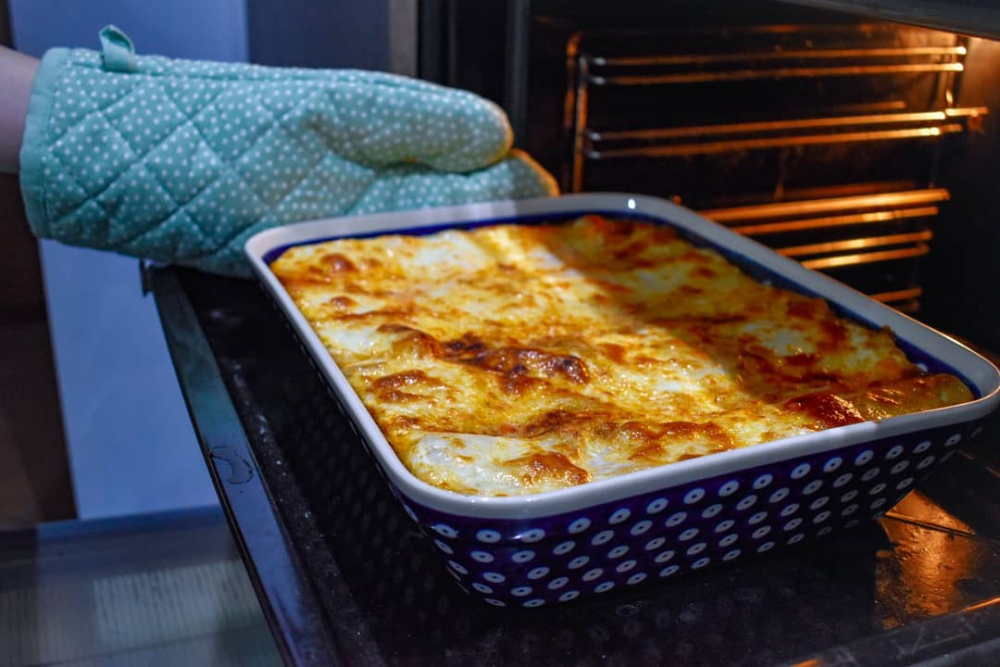
Proper Care and Maintenance Techniques
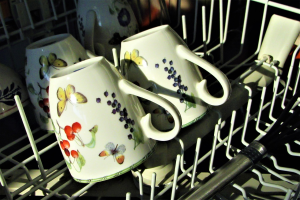
Maintaining your Polish pottery properly ensures decades of reliable baking performance while preserving the vibrant hand-painted designs. These pieces are microwave-, dishwasher-, freezer-, and oven-safe, making them versatile for everyday use while remaining beautiful enough to be collectible.
After each baking session, allow your pottery to cool completely before washing. Hand-washing with warm, soapy water and a soft brush helps preserve the glaze's integrity, though dishwasher cleaning remains perfectly safe when needed. Avoid using abrasive cleaners or steel wool, as they can dull the glossy finish over time.
Store your pieces carefully, using protective padding between stacked items to prevent chips. The remarkable durability of properly fired Polish stoneware means these pieces often become family heirlooms, passed down through generations of home bakers who appreciate both their functionality and beauty.
Conclusion
Baking with authentic Polish pottery connects modern kitchens to centuries of culinary tradition while delivering exceptional performance for today's home bakers. The combination of superior heat distribution, remarkable durability, and timeless beauty makes these handcrafted pieces valuable additions to any serious cook's collection.
Following proper temperature guidelines, selecting suitable pieces for specific baking tasks, and caring for them carefully will ensure that your Polish pottery, be they roasting pans or plates, will provide decades of reliable service while adding artistic flair to every meal. Whether you're preparing everyday family dinners or special occasion feasts, these remarkable stoneware pieces prove that functional cookware can also be genuinely beautiful.
Validate your login
Sign In
Create New Account