


Polish Pottery: Worth Every Penny


The distinctive blue and white patterns of traditional Polish pottery have graced dining tables and kitchen shelves across Europe for centuries before finding their way into American homes.
These hand-painted ceramics from the small town of Bolesławiec in southwestern Poland represent a perfect marriage of functionality and artistry that has captivated collectors and casual admirers alike. The characteristic cobalt blue patterns against creamy white backgrounds create instantly recognizable pieces that stand apart from mass-produced alternatives.
Continue reading to understand why these artistic treasures command premium prices and why discerning homeowners consider them valuable investments rather than mere purchases.
The Rich Heritage of Polish Pottery
Polish handmade ceramics carry centuries of cultural history within their distinctive designs and traditional manufacturing techniques.
The pottery tradition in Bolesławiec (pronounced "bo-leh-swa-vyetz") dates back to the 14th century, when local artisans discovered the region's exceptional clay deposits. This naturally occurring stoneware clay contains unique mineral properties that allow for the creation of exceptionally durable ceramics.
Through wars, changing national borders, and shifting political regimes, the pottery tradition has survived and evolved while maintaining its core artistic identity.
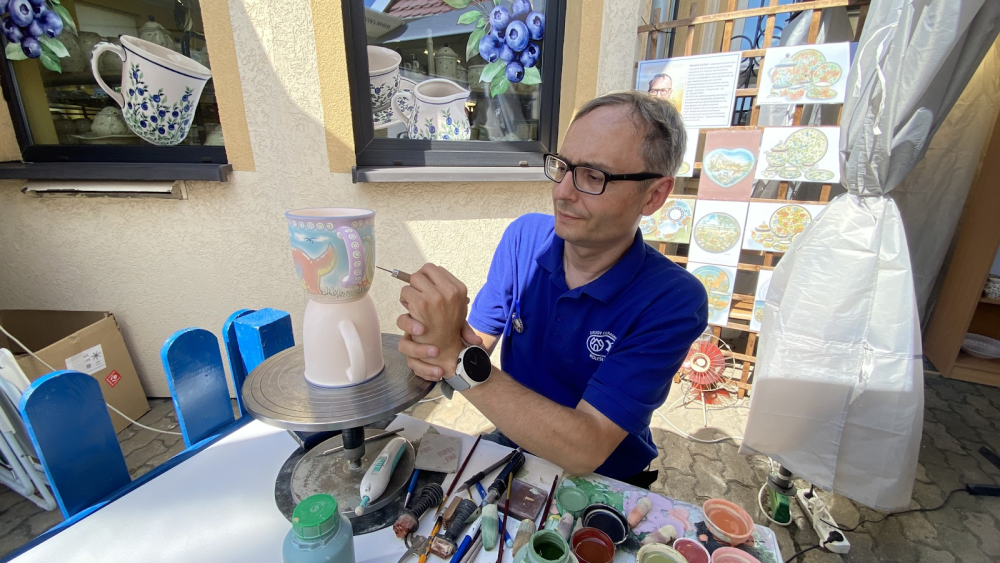
The distinctive stamping technique used to create the intricate patterns evolved during the 18th century. Rather than hand-painting every element, artisans developed specialized rubber stamps that allow for consistent application of base patterns. However, the finishing details, color application, and overall composition remain entirely handcrafted.
The tradition has earned legal protection through geographical indication status, similar to champagne or Parmesan cheese, ensuring that only ceramics produced in this specific region using traditional methods can be labeled as ‘authentic Bolesławiec pottery.’
Today's pieces culminate generations of artisanal knowledge passed down through formal apprenticeships and multi-heirs heritage. Each pattern tells a cultural story, with traditional motifs like peacock eyes, clovers, and floral elements carrying symbolic meanings from Polish folk art heritage.
The Meticulous Crafting Process
Answering the question of why Polish pottery is so expensive requires appreciating the labor-intensive production process that each piece undergoes.
The journey begins with the distinctive local clay that potters carefully prepare by removing impurities and achieving the proper consistency. Master potters then shape each piece individually using various traditional techniques, including wheel throwing, hand building, and slip casting for more complex forms. Even when molds are used for consistent shapes, artisans hand-finish every piece to ensure quality.
After initial drying, pieces undergo their first firing at approximately 1650°F (900°C). Bisque firing, as the method is called, creates a porous surface ready to receive decoration. The signature blue designs are then applied through a multi-step process:
-
Artists first use rubber stamps dipped in cobalt oxide to create the base patterns
-
Additional colors and details are hand-painted using specialized brushes
-
Each piece receives multiple layers of hand-applied glaze
-
Master artisans sign their work, often with personal identification numbers or marks
The final high-temperature firing at around 2200°F (1200°C) vitrifies the clay and glazes, creating the characteristic glass-like finish and remarkable durability.
The extensive process takes weeks for each piece to be completed, with multiple skilled artisans contributing their expertise at different stages.
When evaluating the price, consider that each medium-sized piece typically involves 2-3 hours of direct artistic labor beyond the multiple days of processing, drying, and firing time.
Exceptional Quality and Durability
Beyond their artistic appeal, Polish pottery pieces offer practical benefits that justify their investment value.
Durability
The high firing temperature transforms the local clay into exceptionally durable stoneware that resists chipping and cracking. Unlike delicate ceramics that might be relegated to display cabinets, these pieces withstand daily use year after year. The dense, vitrified clay body prevents water absorption, making the pottery resistant to staining and bacterial growth—a crucial consideration for items used with food.
Safety
Modern Polish pottery meets stringent international safety standards. The glazes contain no lead or cadmium, making them food-safe according to European and American regulations. This safety factor is a significant advantage over some antique or mass-produced decorative ceramics that may contain harmful substances.
Versatility
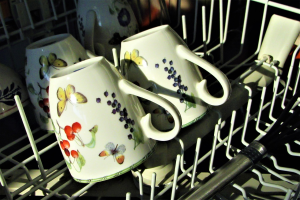
The versatility of these pieces adds to their practical value. Most items can safely transition between the refrigerator, oven, microwave, and dishwasher without damage. Their temperature resistance comes from the high-fire stoneware composition and careful engineering of shapes to withstand thermal expansion. Few ceramic traditions offer this combination of beauty and practical functionality across such a wide temperature range.
Longevity
With proper care, quality Polish pottery often remains in families for generations. Unlike disposable kitchenware or trendy decorative pieces that quickly show wear, these ceramics maintain their appearance and functionality through decades of use. Many families pass down collections to younger generations, with pieces often appreciating in value over time, particularly limited editions or works by renowned artisans.
Distinctive Aesthetic Appeal
Polish pottery stands out for its balance of traditional patterns and individual artistic expression, making each piece truly unique.
While mass-produced ceramics often feature identical designs, hand-decorated Polish pottery has subtle variations in brushstrokes, pattern density, and artistic choices, ensuring no two pieces are identical. Such handcrafted quality makes collections feel cohesive yet visually dynamic, avoiding uniformity.
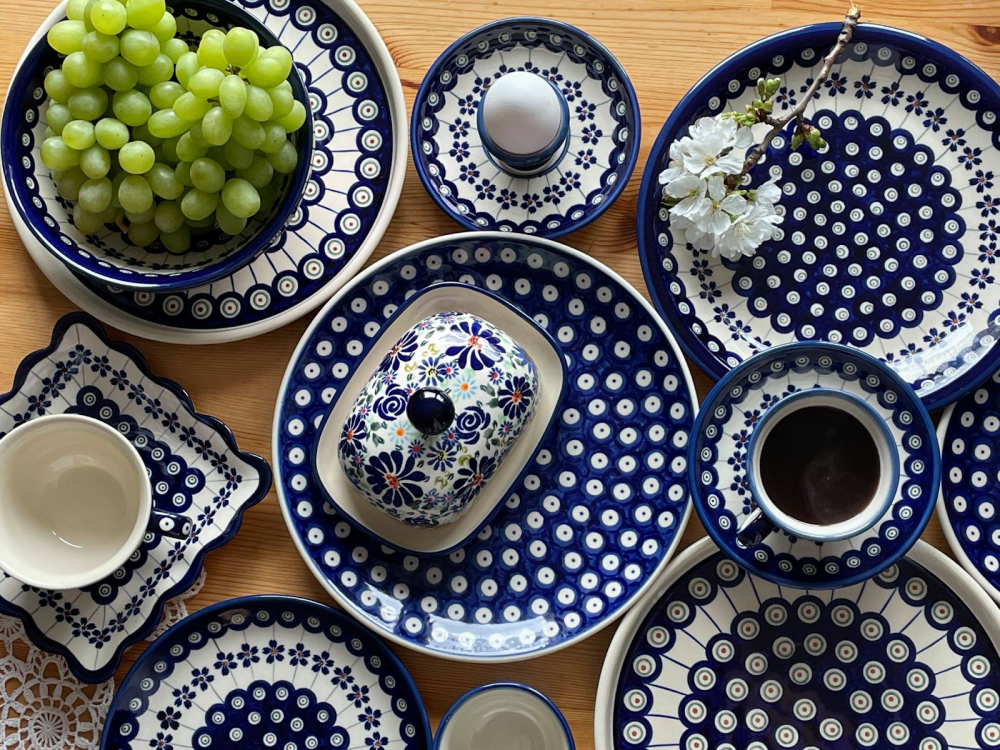
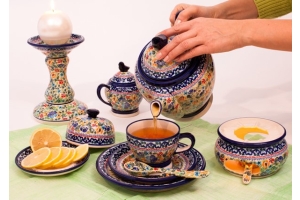
The signature cobalt blue—derived from cobalt oxide during high-temperature firing—defines classic Polish pottery, contrasting beautifully against a cream-colored background. Traditional designs primarily feature this bold hue, but modern artists have expanded the palette to include green, brown, and other accent colors, while still maintaining the pottery’s distinctive style.
Pattern complexity varies across quality grades. The most intricate designs, categorized as "Unikat" (unique) or "Signature" pieces, display exceptional craftsmanship, with detailed patterns covering most of the surface. These high-quality pieces are highly valued for their artistic skill and intricate detailing, often commanding premium prices.
Investment Value and Collectibility
Beyond its practical and artistic appeal, Polish pottery is often seen as a valuable collectible with long-term investment potential.
As noted earlier, limited edition pieces and discontinued patterns increase in value over time, attracting collectors who seek rare designs or wish to complete specific sets. Some enthusiasts focus on pattern styles, artist signatures, or production periods, creating demand that drives market appreciation, particularly for highly sought-after pieces. Online marketplaces have expanded access to vintage and antique Polish pottery, further fueling its collectibility.
Ensuring authenticity is crucial when investing in Polish pottery. Genuine pieces carry specific markings, including:
-
the manufacturer’s stamp (often featuring Bolesławiec’s city emblem),
-
quality grade indicators, and
-
artist identification numbers.
These stamps, typically found on the bottom of each piece, verify authenticity and help buyers avoid counterfeits.
Quality classifications also influence pricing and investment potential. Major producers categorize their pottery into different tiers, with higher-grade pieces featuring the most detailed hand-painted designs by expert artisans. These premium works tend to retain and grow in value, as collectors appreciate their exceptional artistry and technical precision.
Caring for Polish Pottery
Given the premium prices of authentic Polish pottery, proper maintenance ensures these investments maintain their beauty and functionality for generations. With minimal care, these durable pieces can remain family treasures for decades.
-
Use non-metal utensils – Opt for wooden, silicone, or nylon utensils instead of metal to prevent potential scratches on the glazed surface. While high-fired stoneware is more resistant to scratching, prevention ensures longevity, especially for frequently used serving pieces.
-
Manage temperature changes – Though Polish pottery handles temperature fluctuations well, extreme thermal shock can cause fractures. Allow refrigerated pieces to warm slightly before placing them in a preheated oven, and let hot dishes cool before refrigerating to avoid stress cracks.
-
Clean with care – Both hand washing and dishwashing are generally safe, but ensure dishes are securely placed to prevent contact with other items. Avoid harsh, abrasive cleaners, which may dull the glaze over time; mild detergents are the best choice.
-
Remove stains safely – For stubborn stains or mineral deposits, apply a paste of baking soda and water with a soft cloth. This method effectively removes residue without damaging the glaze.
Conclusion
The premium price of Polish pottery reflects a true blend of artistic heritage, expert craftsmanship, and lasting functionality, qualities rarely found in modern mass-produced ceramics. Unlike factory-made alternatives, each piece is handcrafted, undergoing a meticulous, weeks-long production process rooted in centuries of refined tradition. Such a dedication to artistry and quality justifies its value, making Polish pottery a treasured heirloom.
For those considering Polish pottery, understanding its authentic production process and quality markers ensures genuine value. Whether starting with a single serving bowl or investing in a complete dining set, these distinctive pieces offer beauty and practicality that endure for generations. Consider exploring the wide range of traditional decorative patterns that showcase the authentic Bolesławiec craftsmanship at its finest.
In a world increasingly driven by mass production and disposable goods, the lasting appeal of handcrafted Polish pottery connects us to artistic traditions that have stood the test of time.
Validate your login
Sign In
Create New Account