


Differences Between Porcelain and Ceramic


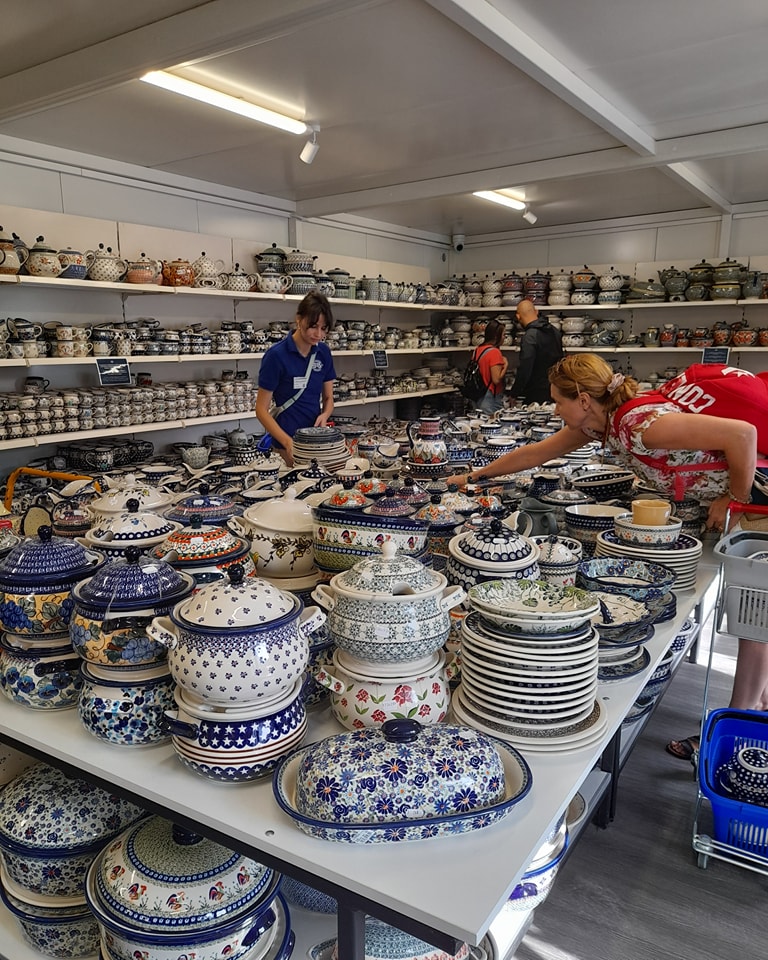
The world of ceramics encompasses a diverse array of materials that have been fundamental to human civilization for thousands of years. Among these materials, porcelain and ceramic products frequently confuse consumers due to their similar appearances and overlapping terminology.
The differences between porcelain and ceramic often elude even those who regularly use these products in their homes. Though related, these materials differ significantly in composition, manufacturing process, durability, and appropriate applications.
Continue reading to understand the distinctive characteristics of each material and learn how to make informed decisions when selecting between these options for your home or creative projects.
Understanding the Basics: What are Ceramic Materials?
Ceramic materials broadly encompass inorganic, non-metallic solids typically formed from clay and hardened through firing at high temperatures. The category includes everything from ordinary terracotta flowerpots to sophisticated laboratory equipment.
At their core, all ceramic materials consist of clay minerals mixed with various additives that influence their properties. The clay serves as the primary binding agent, while other minerals contribute to workability, color, and performance characteristics. Traditional ceramic products typically contain a mixture of clay, feldspar, and silica in varying proportions depending on the desired outcome.
The creation process for ceramic items follows several fundamental steps that have remained relatively consistent for centuries.
-
Artisans or manufacturers prepare the clay body by mixing raw materials with water to achieve the proper consistency.
-
The mixture is formed into the desired shape using techniques like wheel throwing, molding, or extrusion.
-
After initial drying, the pieces undergo firing in a kiln at temperatures typically ranging from 1,800°F to 2,400°F (982°C to 1,316°C), transforming the soft clay into a permanently hardened material.
What Is Porcelain? Defining Characteristics
Porcelain is a refined subset of ceramic materials, distinguished by its exceptional whiteness, translucency, and remarkable strength. The material emerged in China centuries before reaching Europe, where it became highly coveted for its elegant appearance and superior properties.
Porcelain’s distinctive qualities stem from its carefully calibrated composition of “kaolin” (a fine white clay mineral), feldspar, and silica, which give it remarkable strength and refinement. Fired at higher temperatures than standard ceramics—typically between 2,200°F and 2,600°F (1,200°C to 1,425°C)—porcelain achieves exceptional hardness, density, and moisture resistance, making it ideal for both functional and decorative applications.
Visual and tactile characteristics help distinguish porcelain from other ceramics. When examining porcelain, you'll notice its distinctive bright white color, often with a subtle bluish tint in traditional formulations. Quality porcelain exhibits a fine grain structure that feels smooth to the touch, and when struck, it produces a clear, bell-like sound that differs from the duller sound of standard ceramics.
Is Porcelain Ceramic? Clarifying Common Confusion
Porcelain is indeed a type of ceramic, but not all ceramics are porcelain. This is similar to how squares are always rectangles, but not all rectangles are squares. The distinction is often confused, mainly due to marketing language. Some manufacturers label products as "porcelain" to suggest premium quality, even if they don’t meet the technical standards for true porcelain.
Ceramics encompass a wide range of materials, including earthenware, stoneware, and porcelain, each with unique properties based on raw materials, processing methods, and firing temperatures. Porcelain occupies the highest tier within this classification system, thanks to its refined composition and superior performance properties.
Understanding this classification helps clarify why porcelain commands premium prices compared to other ceramic products. The specialized materials, higher firing temperatures, and more complex manufacturing processes contribute to the superior quality and the increased cost of porcelain items.
What Type of Ceramic Is Porcelain?
Porcelain is the most refined and durable type of ceramic, recognized for its high-fired composition, strength, and translucency.
Within the porcelain family, different variations are designed for specific applications, offering tailored solutions for everything from decorative pieces to industrial use.
-
Hard-paste porcelain (true porcelain): The original formulation was developed in China and primarily contains kaolin, feldspar, and quartz. This type requires the highest firing temperatures and produces the hardest, most translucent results.
-
Soft-paste porcelain: Emerged from European efforts to replicate the prized hard-paste porcelain perfected by Asian artisans. According to the Los Angeles County Museum of Art (LACMA), these experiments aimed to recreate the durability and translucency of true porcelain, leading to the development of alternative compositions before the discovery of kaolin-based formulas. This variation contains glass or frit in the mixture, allowing for lower firing temperatures while achieving a similar appearance.
-
Bone china: A British innovation incorporating bone ash into the porcelain body, creating exceptional whiteness, translucency, and surprising mechanical strength despite its delicate appearance.
The manufacturing process for porcelain demands precise control over both materials and firing conditions. Unlike lower-fired ceramics, porcelain requires carefully selected clays with minimal iron content and other impurities that would compromise its characteristic whiteness. The firing process must maintain exact temperature profiles to achieve proper vitrification without deformation.
These exacting requirements explain why early European attempts to replicate Chinese porcelain failed for centuries until manufacturers discovered the proper materials and techniques. Today, these same principles determine whether a ceramic product can legitimately claim porcelain status.
Key Differences Between Porcelain and Standard Ceramic
Several fundamental differences distinguish porcelain from standard ceramic products, affecting everything from appearance to performance in various applications.
Composition and Manufacturing
The differences in raw materials between porcelain and standard ceramics directly affect their properties. Porcelain contains a higher proportion of kaolin clay, along with refined materials that have fewer impurities, resulting in greater strength and a smooth, uniform appearance. In contrast, standard ceramics use a wider range of clays, often with higher impurity levels, contributing to their varied colors and textured finishes.
The manufacturing process also sets these materials apart. Porcelain requires precise forming techniques due to its lower plasticity in the unfired state, making shaping more challenging. Its firing process demands higher temperatures and strict kiln control to ensure proper vitrification, preventing warping or defects and achieving its signature durability and refined finish.
Physical Properties and Performance
Physical characteristics provide the most readily observable differences between these materials:
-
Water absorption: Porcelain absorbs less than 0.5% water due to its highly vitrified body, while standard ceramics typically absorb 3-7% or more.
-
Density and weight: Porcelain pieces generally feel heavier than similar-sized ceramic items due to their greater density.
-
Durability: Porcelain offers superior chip and crack resistance in most applications, though its hardness can make it more brittle under certain impact conditions.
-
Frost resistance: Porcelain's low water absorption makes it highly resistant to freeze-thaw damage, while standard ceramics often crack when exposed to freezing temperatures after absorbing moisture.
These performance differences explain why porcelain has become the preferred choice for high-traffic floor tiles, premium dinnerware, and applications requiring maximum durability and moisture resistance.
Aesthetic Differences
Visual distinctions between porcelain and standard ceramics include:
-
Color: Porcelain naturally appears bright white, while standard ceramics typically show cream, tan, or reddish hues unless heavily glazed.
-
Translucency: Fine porcelain exhibits translucency when held up to light, particularly at thin cross-sections. Standard ceramics remain opaque regardless of thickness.
-
Surface finish: Porcelain can achieve an extremely smooth, glass-like finish even without glazing. Standard ceramics usually require glazing to achieve a similar surface quality.
-
Edge and breakage appearance: When broken, porcelain displays a conchoidal (shell-like) fracture similar to glass, while standard ceramics show a more granular, earthy texture at broken edges.
These distinct visual qualities have long linked porcelain to luxury and sophistication, setting it apart from more common ceramic pieces used in daily life.

Choosing Between Porcelain and Ceramic
Understanding the practical implications of these differences helps when selecting materials for specific applications around the home or for artistic projects.
Flooring and Wall Tiles
For flooring applications, porcelain tiles offer superior performance in high-traffic areas and moisture-prone spaces. Their exceptional hardness (typically measuring 7-8 on the Mohs scale) provides outstanding wear resistance, while their low water absorption makes them ideal for bathrooms, kitchens, and outdoor applications. However, this hardness makes porcelain tiles more difficult and expensive to cut during installation.
Standard ceramic tiles work well for wall applications and lower-traffic areas. Their slightly higher water absorption makes them easier to cut and install, and they typically cost less than porcelain alternatives. For decorative wall features where moisture resistance isn't critical, the wider color range and design flexibility of standard ceramics may provide advantages.
Dinnerware and Kitchen Items
When selecting dinnerware, consider how the physical properties align with your needs.
Porcelain dinnerware offers exceptional durability and stain resistance. It also often remains dishwasher-safe for years without degradation. Its refined appearance makes it suitable for formal dining, yet its strength allows for everyday use.
Standard ceramic dinnerware, including stoneware and earthenware options, often provides more casual, rustic aesthetics at lower price points. These options may require more careful handling to avoid chipping and may show wear more quickly with daily use. However, many prefer their artisanal appearance and tactile qualities for everyday meals.
Bathroom Fixtures
For bathroom fixtures like sinks and toilets, manufacturers often use specialized vitreous china—a type of porcelain explicitly formulated for these applications. The low water absorption and excellent sanitization properties make porcelain the standard for these fixtures, though cost considerations sometimes lead to using lower-fired ceramics in budget options.
Conclusion
Besides having different names, porcelain and ceramic have distinct properties that impact their use. Porcelain is denser, fired at higher temperatures, and offers superior durability, making it ideal for applications requiring durability, moisture resistance, and refined aesthetics. Meanwhile, ceramic is versatile, cost-effective, and widely accessible, fitting a range of everyday needs.
Note that neither material is universally better. The best choice depends on the specific requirements of each project, including appearance, performance, and budget. It is through understanding their differences that you can confidently select the right material for home improvement, decor, and artistic projects, ensuring both function and style in your spaces.
Whether you choose elegant porcelain-quality dinner sets for special occasions, practical ceramic kitchen accessories for daily use, or decorative home accent pieces to enhance your living space, understanding these material differences helps ensure your investment serves you well for years to come.
Validate your login
Sign In
Create New Account