


How to Maintain Your Ceramic Mug: Tips for Longevity


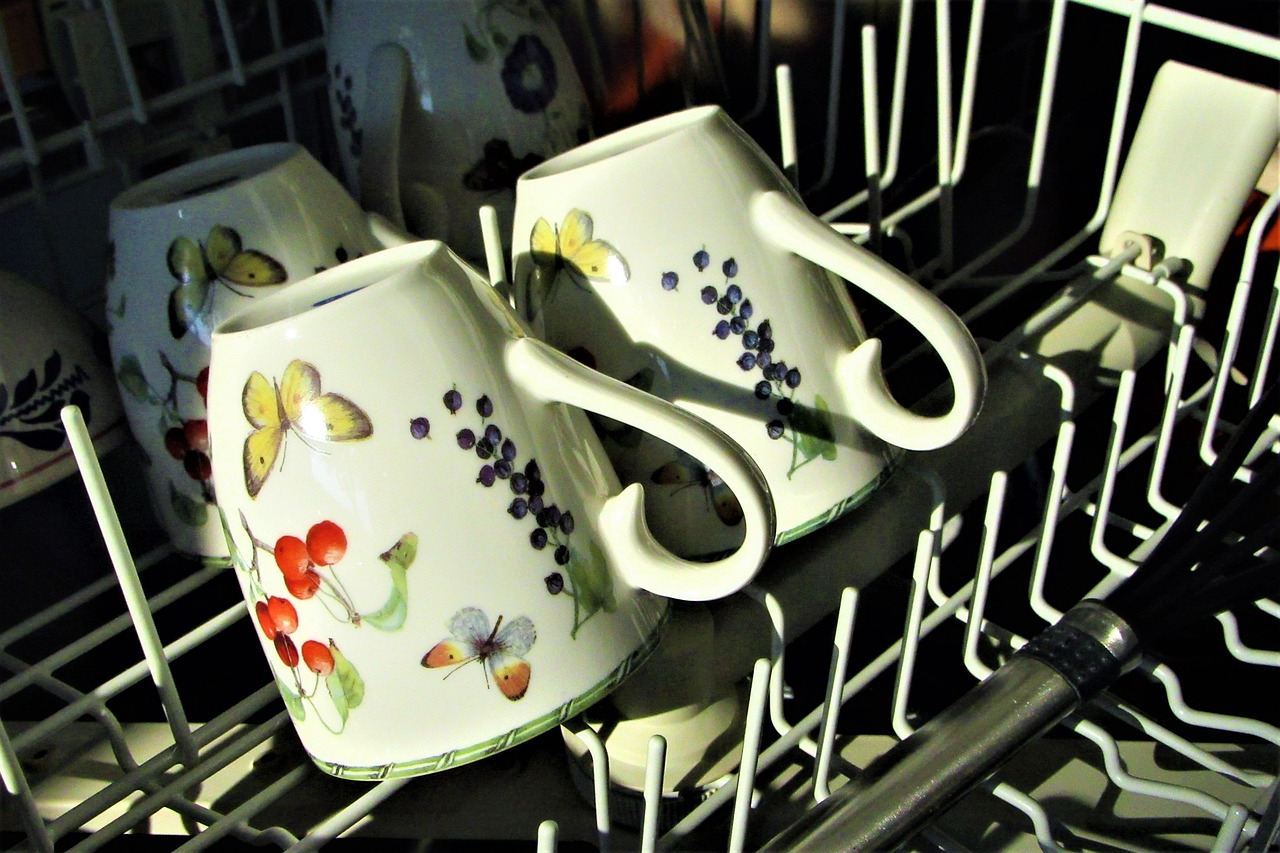
A quality ceramic mug represents more than a simple beverage container—it's a daily companion that influences your morning ritual, afternoon break, and evening relaxation. Proper maintenance of ceramic mugs extends their functional lifespan while preserving the aesthetic and performance qualities that make them superior to disposable alternatives. Understanding the specific care requirements of ceramic materials ensures that your investment in quality drinkware continues paying dividends through years of reliable service.
The longevity of ceramic mugs depends heavily on how well owners understand and implement appropriate maintenance practices. While ceramic materials are inherently durable, certain care approaches can either preserve their optimal condition or gradually degrade their performance and appearance. Establishing proper maintenance routines from the beginning prevents common problems that lead to premature replacement and disappointment with ceramic drinkware investments.
Modern ceramic manufacturing creates mugs with enhanced durability and performance characteristics, but these advances still require informed care to achieve their full potential. The principles outlined in this comprehensive maintenance guide apply to all quality ceramic mugs, regardless of specific manufacturing origin or decorative treatment.
Daily Cleaning Fundamentals
The foundation of ceramic mug longevity lies in consistent, appropriate daily cleaning practices that remove residues without damaging the glazed surface. Immediate rinsing after use prevents coffee, tea, or other beverage stains from setting into the ceramic surface, making subsequent cleaning easier and more effective.
Use warm water and mild dish soap for daily cleaning, avoiding harsh abrasives that can scratch the glaze and create microscopic damage sites. A soft sponge or cloth provides adequate cleaning power without compromising the smooth surface that gives ceramic mugs their superior performance characteristics. The goal is thorough cleaning without aggressive scrubbing that gradually wears down protective glazing.
For stubborn residues, soaking in warm soapy water loosens deposits naturally without requiring forceful scrubbing. This gentle approach preserves the ceramic surface while achieving complete cleaning that maintains hygienic conditions for future use.
Essential daily cleaning practices include:
• Immediate rinsing - Prevents staining and residue buildup that becomes harder to remove over time
• Appropriate soap selection - Mild dish detergents clean effectively without damaging ceramic surfaces
• Gentle cleaning tools - Soft sponges and cloths avoid scratching that compromises surface integrity
• Complete drying - Prevents water spots and mineral deposits that can affect appearance
Stain Prevention and Removal Techniques
Preventing stains proves far more effective than attempting removal after they've set into ceramic surfaces. Coffee and tea contain tannins that can gradually discolor ceramic glazes, particularly in areas where beverages regularly contact the mug interior. Regular cleaning immediately after use prevents these compounds from bonding permanently with ceramic surfaces.
When stains do occur, natural cleaning agents often provide effective removal without harsh chemicals that might damage glazing. Baking soda paste applied gently with a soft cloth removes most organic stains while maintaining ceramic surface integrity. The mild abrasive action of baking soda breaks down stain compounds without the aggressive scrubbing required by harsher alternatives.
For particularly stubborn stains, soaking overnight in a solution of warm water and white vinegar dissolves mineral deposits and organic stains naturally. The acidic properties of vinegar break down staining compounds while remaining gentle enough for regular use on ceramic surfaces.
Advanced stain removal approaches include:
• Prevention-focused cleaning - Regular maintenance prevents stain development rather than requiring removal
• Natural cleaning agents - Baking soda, vinegar, and lemon juice provide effective stain removal without surface damage
• Soaking techniques - Extended contact time with cleaning solutions breaks down stubborn residues gently
• Professional restoration - Severe staining may require professional ceramic restoration services
Temperature Management and Thermal Shock Prevention
Ceramic mugs excel in thermal performance but require careful temperature management to prevent thermal shock damage. Sudden extreme temperature changes can cause ceramic to crack or develop stress fractures that compromise structural integrity. Understanding thermal limitations prevents damage while maximizing the temperature-regulating benefits that make ceramic mugs superior.
Avoid placing very hot ceramic mugs directly into cold environments or adding ice-cold liquids to mugs heated by dishwashers or microwaves. Gradual temperature transitions allow ceramic materials to adjust without developing internal stresses that lead to cracking or failure. This thermal consideration becomes particularly important with thicker ceramic mugs that have greater thermal mass.
Pre-warming ceramic mugs with warm water before adding hot beverages prevents thermal shock while optimizing temperature retention. Similarly, allowing mugs to reach room temperature before refrigerating or adding cold beverages prevents rapid temperature changes that stress ceramic materials.
Dishwasher Compatibility and Best Practices
Most quality ceramic mugs handle dishwasher cleaning effectively when proper loading and cycle selection practices are followed. The high temperatures and strong detergents used in dishwashers provide superior sanitization while maintaining ceramic surface integrity. However, certain precautions optimize dishwasher use while preventing damage.
Load ceramic mugs securely to prevent contact with other dishes during wash cycles. Metal utensils and glassware can chip or scratch ceramic surfaces when vibration causes contact during washing. Proper spacing and secure placement prevent damage while allowing effective cleaning action throughout the wash cycle.
Select appropriate dishwasher cycles based on soil level rather than automatically using heavy-duty settings that may be unnecessarily aggressive for ceramic surfaces. Normal cycles provide adequate cleaning for daily coffee or tea residues while extending ceramic mug lifespan through gentler treatment.
Storage Solutions That Prevent Damage
Proper storage protects ceramic mugs from chips, cracks, and other damage that can occur during handling and stacking. Avoid stacking mugs directly on top of each other, as contact points create stress concentrations that can lead to chipping or cracking over time. Individual storage or cushioned stacking prevents contact damage while maximizing storage efficiency.
Cabinet storage should provide adequate space around mugs to prevent contact during opening and closing. Cramped storage conditions increase the likelihood of accidental contact that chips handles or bodies during routine retrieval. Organized storage systems that accommodate ceramic mug dimensions prevent damage while maintaining easy access.
Consider specialized storage solutions for valuable or frequently used ceramic mugs. Mug trees, dedicated shelving, or padded storage containers protect investment pieces while keeping them readily accessible for daily use.
Looking to expand your ceramic collection beyond mugs? Our complete coffee-tea collection offers coordinated pieces that share similar maintenance requirements and aesthetic appeal.
Handle Care and Attachment Point Maintenance
Ceramic mug handles represent the most vulnerable component and require specific attention during cleaning and handling. The attachment points where handles join mug bodies experience the highest stress during use and cleaning, making them susceptible to cracking or separation if mishandled.
Avoid lifting heavy ceramic mugs by handles alone, particularly when they contain hot liquids that add significant weight. Supporting the mug body during lifting distributes stress more evenly and prevents handle failure that can lead to dangerous spills and mug loss. This handling technique becomes particularly important with larger mugs or those with decorative handles that may be more fragile.
During cleaning, pay special attention to handle attachment areas where soap residue and moisture can accumulate. Thorough cleaning of these junction points prevents bacterial growth while allowing inspection for any developing cracks that might require attention before they become serious problems.
Microwave Safety and Performance Optimization
Ceramic mugs excel in microwave applications but require specific practices to ensure safety and optimal performance. Unlike metal containers that create dangerous sparking, ceramic materials allow microwave energy to pass through to heat liquids directly. This transparency to microwave energy makes ceramic mugs ideal for reheating beverages safely and effectively.
However, certain precautions optimize microwave use while preventing thermal damage. Avoid microwaving empty ceramic mugs, as concentrated microwave energy can overheat ceramic materials without the temperature-moderating effect of contained liquids. Always include liquid when microwaving ceramic mugs to provide thermal buffering that prevents overheating damage.
Check for metal decorative elements before microwaving, as even small amounts of metallic paint or trim can cause dangerous sparking and damage both the mug and microwave oven.
Long-Term Preservation and Restoration Options
Quality ceramic mugs can serve faithfully for decades when proper maintenance practices are consistently applied throughout their service life. Establishing routine inspection protocols helps identify minor issues before they become major problems requiring replacement. Regular examination of handles, glazing, and structural integrity prevents surprise failures.
Minor chips or surface scratches can often be professionally restored if addressed promptly. Ceramic restoration specialists can repair small damage areas and restore glazing that maintains both appearance and functionality. This restoration option makes quality ceramic mugs worth repairing rather than replacing when minor damage occurs.
For those seeking to complement their mug collection, explore our kitchen collection to discover coordinated ceramic pieces that bring the same quality and longevity to all aspects of food and beverage service.
Seasonal Maintenance and Deep Cleaning
Periodic deep cleaning maintains ceramic mugs in optimal condition while addressing residue buildup that daily cleaning might miss. Quarterly deep cleaning with specialized ceramic cleaners removes mineral deposits, coffee oils, and other accumulated residues that can affect flavor and appearance over time.
Professional-grade ceramic cleaners provide intensive cleaning without the harsh abrasives that can damage surfaces. These specialized products dissolve stubborn residues while maintaining glaze integrity and surface smoothness that ensures continued optimal performance.
Consider these deep cleaning approaches:
• Seasonal deep cleaning - Quarterly intensive cleaning maintains optimal condition and performance
• Specialized products - Professional ceramic cleaners provide superior results without surface damage
• Inspection opportunities - Deep cleaning allows thorough examination for developing issues • Performance restoration - Intensive cleaning restores optimal flavor neutrality and thermal performance
Conclusion: Investment Protection Through Proper Care
Maintaining ceramic mugs requires minimal effort while providing maximum return on investment through extended service life and preserved performance. The maintenance practices outlined in this guide protect your ceramic drinkware investment while ensuring optimal coffee and tea experiences throughout years of daily use.
Consistent application of proper maintenance techniques transforms ceramic mug care from reactive problem-solving into proactive investment protection. Quality ceramic mugs maintained according to these guidelines provide decades of reliable service while maintaining the performance characteristics that justify their superior position in the drinkware hierarchy.
The small time investment required for proper ceramic mug maintenance pays significant dividends through enhanced beverage experiences, reduced replacement costs, and the satisfaction of using well-maintained tools that reflect your appreciation for quality craftsmanship and materials.


Validate your login
Sign In
Create New Account