


Five Reasons to Choose a Pet Pottery Bowl


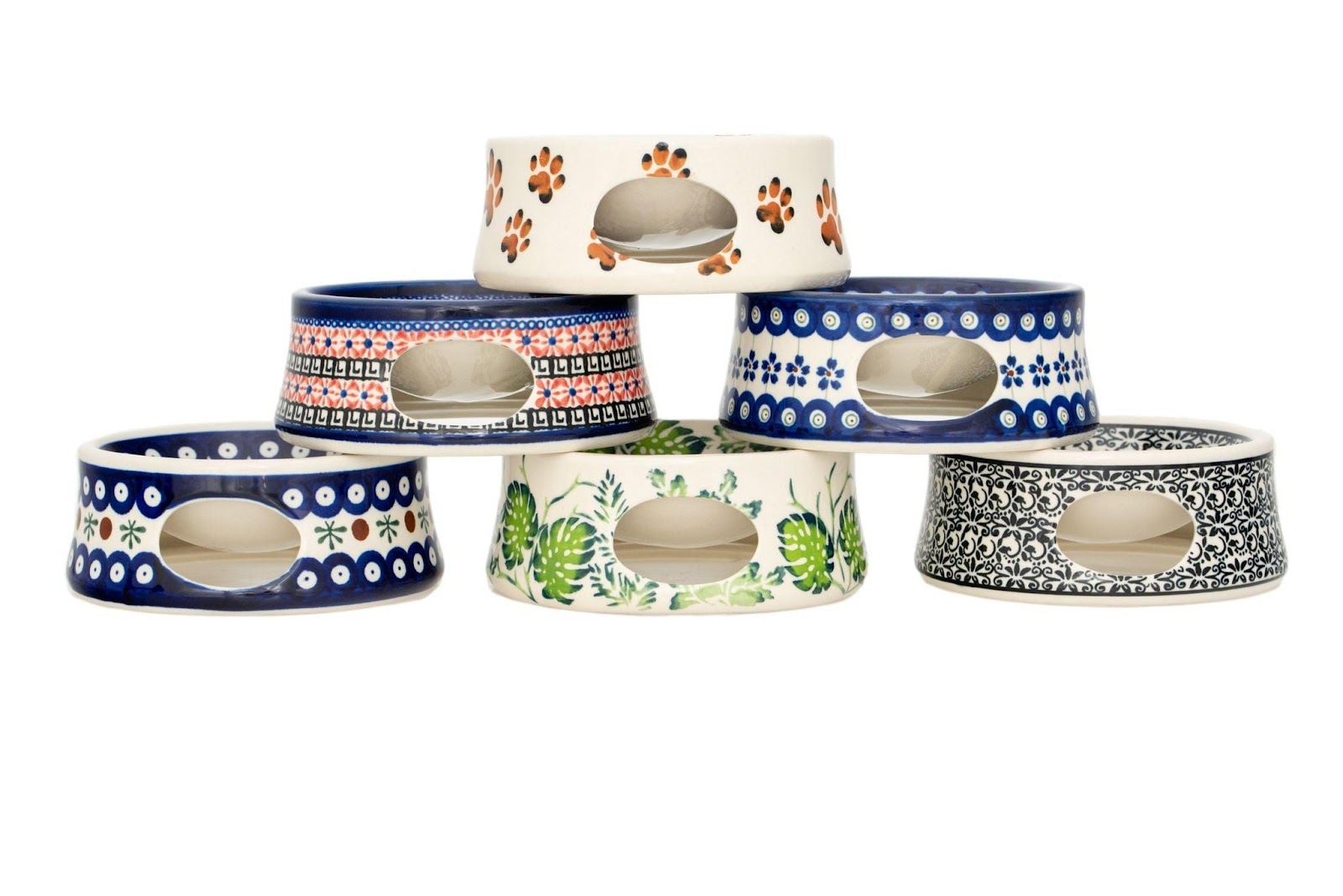
The pet feeding industry has evolved far beyond basic plastic dishes, with discerning pet owners increasingly recognizing that their furry companions deserve the same quality considerations that influence human dinnerware choices. Pet pottery bowls represent a significant upgrade in both functionality and safety that can dramatically improve your pet's dining experience while addressing health concerns that cheaper alternatives often overlook.
Modern pet care understanding emphasizes how feeding vessel materials directly impact pet health, behavior, and long-term well-being. While plastic bowls dominate pet stores due to their low cost and colorful appeal, ceramic alternatives provide superior performance across multiple critical factors that matter to both pets and their conscientious owners. The investment in quality pottery feeding vessels often pays dividends through improved pet health, reduced replacement costs, and enhanced aesthetic integration within your home environment.
Understanding the specific advantages of ceramic pet bowls helps pet owners make informed decisions that prioritize their companion's health and comfort while addressing practical considerations like durability, hygiene, and design integration.
Reason 1: Superior Hygiene and Bacterial Resistance
The non-porous surface of glazed ceramic pet bowls prevents bacterial growth and eliminates the microscopic scratches that plague plastic alternatives. Plastic pet bowls develop tiny scratches and crevices during normal washing and use, creating perfect environments for harmful bacteria to flourish between meals. These bacterial colonies can cause digestive issues, skin irritation, and more serious health problems in sensitive pets.
Ceramic's smooth, sealed surface releases all food residues and contaminants with standard washing, maintaining hygienic conditions that protect your pet's health. The glazed finish creates an impermeable barrier that bacteria simply cannot penetrate or colonize, ensuring each meal starts with a truly clean feeding surface.
Professional veterinarians frequently recommend ceramic feeding vessels specifically because of their superior hygiene properties. The material's natural resistance to bacterial growth becomes particularly important for pets with compromised immune systems, skin sensitivities, or chronic digestive issues that require the highest standards of feeding vessel cleanliness.
Consider these hygiene advantages:
• Complete bacterial elimination - Standard washing removes all microorganisms without residual contamination
• Scratch resistance - Smooth surfaces don't develop the micro-grooves that harbor bacteria in plastic bowls
• Chemical neutrality - No interaction with pet foods or cleaning products that might affect safety
• Dishwasher compatibility - High-temperature sanitization provides additional hygiene assurance
Reason 2: Enhanced Safety Through Chemical Inertness
Unlike plastic bowls that can leach chemicals into pet food and water, ceramic vessels remain completely chemically inert throughout their service life. Plastic feeding bowls, particularly when exposed to hot foods or prolonged sunlight, can release BPA, phthalates, and other potentially harmful compounds directly into your pet's diet. These chemical exposures accumulate over time and may contribute to various health issues.
Ceramic pet bowls eliminate chemical leaching concerns entirely. The high-temperature firing process creates a stable material that won't break down or release substances regardless of food temperature, acidity levels, or environmental conditions. This chemical stability ensures that your pet's nutrition comes exclusively from their food rather than unwanted additives from the feeding vessel itself.
The safety advantage becomes particularly important for pets with allergies or sensitivities who react to trace chemical exposures that other animals might tolerate. Ceramic feeding vessels provide a neutral environment that allows sensitive pets to enjoy their meals without additional chemical stressors.
Reason 3: Temperature Regulation and Food Quality Preservation
Ceramic's thermal properties help maintain optimal food temperatures while preventing rapid cooling that can affect palatability and digestive comfort. The material's thermal mass absorbs and releases heat gradually, keeping warm foods at comfortable temperatures longer than thin-walled plastic alternatives that offer no thermal protection.
This temperature regulation proves particularly beneficial for pets who eat slowly or prefer their food at specific temperatures. Senior pets, in particular, often find room-temperature or slightly warm food more appealing and easier to digest than cold meals served in thermally neutral plastic bowls.
The thermal stability also prevents rapid temperature fluctuations that can cause condensation and moisture problems in plastic bowls. Ceramic surfaces remain dry and comfortable regardless of food temperature, preventing the damp conditions that can lead to bacterial growth or food spoilage.
Reason 4: Exceptional Durability and Long-Term Value
Quality ceramic pet bowls withstand years of daily use without the deterioration problems that plague plastic alternatives. While plastic bowls crack, fade, and develop permanent stains and odors over time, ceramic bowls maintain their original performance and appearance throughout extended service periods. This durability translates into significant cost savings over time, as ceramic bowls rarely require replacement due to wear or damage.
The material's resistance to scratching, staining, and odor absorption ensures that ceramic pet bowls remain as functional and attractive as the day of purchase. Unlike plastic bowls that gradually accumulate damage and become increasingly difficult to clean effectively, ceramic surfaces maintain their smooth, hygienic properties indefinitely.
Investment comparison factors include:
• Replacement frequency - Ceramic bowls often last decades while plastic bowls need regular replacement
• Cleaning effectiveness - Ceramic maintains easy cleanup while plastic becomes increasingly difficult to sanitize
• Appearance retention - Ceramic resists staining and fading that makes plastic bowls unsightly over time
• Structural integrity - Ceramic handles daily use without cracking or warping issues common in plastic
Looking to create a cohesive home environment for your pet? Our home collection offers ceramic pieces that seamlessly integrate functional pet care with sophisticated interior design.
Reason 5: Aesthetic Integration and Design Flexibility
Unlike garish plastic pet bowls that clash with sophisticated home décor, ceramic pet bowls complement existing design themes while maintaining full functionality. Modern homes increasingly embrace open-concept designs where pet feeding areas remain visible within living spaces. Ceramic feeding vessels enhance rather than detract from overall aesthetic harmony.
The design flexibility of ceramic allows for custom colors, patterns, and forms that coordinate with specific interior design schemes. Whether your home features minimalist modernism, traditional warmth, or eclectic artisan styles, ceramic pet bowls can be selected or customized to enhance rather than compromise your design vision.
The elevated appearance of ceramic pet bowls reflects the important position that pets hold within contemporary families. Rather than relegating pet care to utilitarian plastic products, ceramic bowls acknowledge pets as valued family members deserving quality items that match the standards applied to other household furnishings.
Size and Shape Considerations for Different Pets
Selecting the appropriate size and configuration of ceramic pet bowls requires understanding your specific pet's feeding behavior and physical characteristics. Small dogs and cats benefit from shallow, wide bowls that prevent whisker stress and allow comfortable access to food and water. Larger dogs require deeper bowls with adequate capacity for their nutritional needs.
The weight of ceramic bowls provides stability that prevents sliding and tipping during enthusiastic eating. This stability proves particularly valuable for large or energetic dogs who might push lightweight plastic bowls around during meals, creating mess and frustration.
Consider these sizing factors:
• Pet size correlation - Bowl dimensions should match your pet's comfortable reach and capacity requirements
• Feeding behavior accommodation - Shallow designs for cautious eaters, deeper bowls for enthusiastic feeders
• Multi-pet considerations - Individual bowls prevent competition and ensure hygienic feeding for multiple pets
• Growth planning - Selecting appropriately sized bowls for young pets approaching adult size
Maintenance and Care Requirements
Caring for ceramic pet bowls requires minimal effort while providing maximum hygiene benefits. Daily washing with standard dish soap and warm water removes all food residues and maintains sanitary conditions. The smooth ceramic surface releases all contaminants easily, unlike plastic that can retain odors and stains despite thorough cleaning attempts.
Dishwasher compatibility makes ceramic pet bowl maintenance even more convenient. The high temperatures and strong detergents used in dishwashers provide additional sanitization that ensures optimal hygiene for your pet's feeding vessels.
Periodic deep cleaning with diluted bleach solutions can provide hospital-level sterilization when needed, particularly useful for pets recovering from illness or those with compromised immune systems requiring enhanced hygiene protocols.
Environmental Considerations and Sustainability
Choosing ceramic pet bowls supports environmental sustainability through elimination of the disposable plastic waste associated with frequently replaced plastic feeding vessels. One quality ceramic bowl can serve a pet throughout its entire lifetime, preventing dozens of plastic bowls from entering waste streams.
The manufacturing process for ceramic bowls, while energy-intensive initially, amortizes environmental costs over the bowl's extended service life. This lifecycle approach to environmental impact assessment strongly favors ceramic over plastic alternatives when viewed from a sustainability perspective.
For pet owners interested in expanding ceramic quality throughout their kitchen, explore our kitchen collection to discover how ceramic excellence enhances human dining experiences with the same benefits your pets enjoy.
Special Considerations for Different Pet Types
Different pet species and breeds benefit from specific ceramic bowl configurations optimized for their unique feeding characteristics. Flat-faced dog breeds like bulldogs and pugs require shallow, wide bowls that accommodate their breathing difficulties during eating. Long-eared breeds benefit from narrower, deeper bowls that keep ears out of food and water.
Cats often prefer shallow bowls that don't interfere with their sensitive whiskers, while also appreciating the temperature-regulating properties of ceramic when drinking water throughout the day.
Investment in Pet Health and Happiness
The decision to choose ceramic pet bowls represents an investment in your pet's long-term health and daily comfort. While the initial cost exceeds plastic alternatives, the combination of health benefits, durability, and aesthetic advantages creates compelling value that conscientious pet owners increasingly recognize and appreciate.
Quality pet bowls demonstrate the same care and attention that pet owners apply to other aspects of pet care, from nutrition selection to veterinary care. The enhanced safety, hygiene, and comfort provided by ceramic feeding vessels contribute to overall pet wellbeing in measurable ways.
Conclusion: Elevating Pet Care Standards
Selecting ceramic pet bowls reflects evolving understanding of how environmental factors affect pet health and happiness. The five compelling reasons outlined above demonstrate that ceramic feeding vessels offer comprehensive advantages that extend far beyond simple food and water containment.
The investment in quality ceramic pet bowls pays dividends through improved pet health, reduced long-term costs, and enhanced integration within modern home environments. As our understanding of pet care continues advancing, the choice of feeding vessels becomes increasingly important in providing optimal care for our beloved companions.
Validate your login
Sign In
Create New Account