


What Is Cream Soup Served In?


When planning an elegant dinner for family or friends, the question of how to serve cream soup becomes crucial. After all, the choice of serving vessel has an undeniable impact on creating memorable culinary experiences.
Cream soups deserve special attention when it comes to presentation. The vessel you choose influences temperature retention, portion control, and overall dining elegance.
Whether you're hosting an intimate dinner party or a formal gathering, this article will help you create the perfect atmosphere for your guests.
What Are the Best Vessels for Serving Cream Soup?
Selecting the appropriate serving vessel for cream soup depends on several factors. These include the occasion's formality, practical considerations, and aesthetic preferences.
Different types of containers offer unique advantages for cream soup service.
Bouillon Cups
The bouillon cup represents one of the most traditional answers to what cream soup is served in. These specialized vessels typically hold approximately 10-12 ounces, making them perfect for appetizer portions.
Despite their name suggesting they're only for clear broths, bouillon cups excel at serving thick, creamy soups.
Bouillon cups feature distinctive characteristics that make them ideal for cream soup service.
-
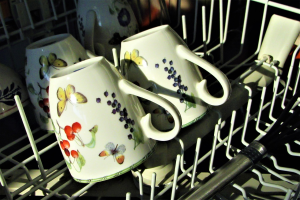
They have a deep, round shape with two handles on opposite sides. This design provides excellent grip and makes the vessel easy to lift and maneuver.
-
The handles remain cool even when the soup is steaming hot, ensuring comfortable handling throughout the meal.
-
The elegant appearance of bouillon cups adds sophistication to any table setting. Their classic design complements both casual and formal dining scenarios.
Many bouillon cups come with matching saucers, creating a complete presentation that impresses guests and demonstrates attention to detail.
Classic Soup Bowls and Tureens
Traditional soup bowls provide another excellent option for cream soup service. Deep ceramic bowls designed for soup service maintain optimal temperature while offering generous portion sizes. These bowls typically range from 12 to 16 ounces, making them suitable for main course servings.
-
The key advantage of traditional soup bowls lies in their versatility. They work equally well for thick cream soups and lighter broths.
-
Their wide, shallow design allows for easy stirring and mixing of garnishes or seasonings.
-
The broad surface area enables beautiful presentation opportunities with creative garnishing techniques.
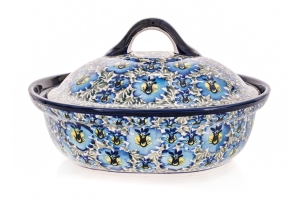
Soup tureens serve as both functional serving vessels and stunning centerpieces. Large tureens can hold several liters of cream soup, making them perfect for family-style service or buffet presentations.
-
Guests can ladle their desired portions while keeping the remaining soup warm in the tureen.
-
The communal aspect of tureen service creates a warm, inviting atmosphere that encourages conversation and connection among diners.
How Should You Serve Cream Soup According to Proper Etiquette?
Following proper etiquette for cream soup service extends beyond simply choosing the right vessel. Presentation details and serving protocols contribute significantly to the overall dining experience.
Table Setting and Presentation
Proper table setting for cream soup involves careful attention to placement and coordination.
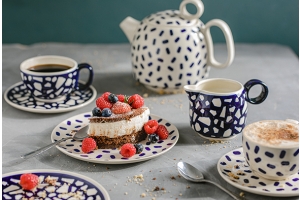
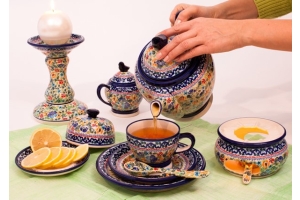
The soup vessel should sit on a coordinating plate or saucer with a napkin underneath. This arrangement prevents sliding and adds visual appeal to the place setting. The underlying plate also catches any accidental drips, maintaining table cleanliness.
Soup spoons belong to the right of the soup vessel, with handles pointing downward. For bouillon cups, smaller spoons work best due to the vessel's size and depth. The spoon placement should align with other utensils for a cohesive table presentation.
Separate small dishes containing croutons, fresh herbs, or flavored oils allow guests to customize their soup experience. This interactive element adds engagement to the meal while demonstrating thoughtful hospitality.
Vessels should be warmed before adding soup to maintain optimal serving temperature. Cold dishes can cause rapid cooling, negatively impacting both flavor and texture of cream soups.
Eating Etiquette for Cream Soups
The question of how to properly consume cream soup from different vessels has specific etiquette guidelines.
-
From bouillon cups, both spooning and sipping directly from the cup are acceptable methods. The choice depends on the soup's consistency and the dining situation's formality.
-
For thicker cream soups served in bouillon cups, gentle sipping works well and prevents spillage.
-
When cream soup is served in traditional bowls, spooning is the preferred method.
Why Is Ceramic the Ideal Material for Cream Soup Service?
Material choice significantly impacts cream soup presentation and enjoyment. Ceramic stands out as the superior option for cream soup vessels due to its unique properties and practical advantages.
1. Temperature Retention Properties
The thermal mass of ceramic vessels allows them to absorb and retain heat effectively. When properly preheated, ceramic bowls or cups maintain soup temperature throughout the meal. This ensures guests enjoy consistently warm soup from the first spoonful to the last.
Ceramic's heat retention also benefits flavor development. Cream soups often contain complex flavor profiles that are best appreciated at specific temperatures. Maintaining optimal warmth allows all flavor components to remain balanced and prominent throughout the meal.
2. Aesthetic and Practical Benefits
The visual appeal of ceramic vessels enhances the presentation of cream soup. Ceramic can be crafted in countless colors, patterns, and finishes to complement any table setting or décor theme.
Ceramic's neutral properties ensure it doesn't interfere with soup flavors or aromas. Unlike some materials that can impart metallic tastes or absorb odors, ceramic maintains the pure taste of cream soups.
Durability represents another significant advantage of ceramic vessels. High-quality ceramic withstands regular use, dishwasher cleaning, and microwave heating without degradation.
This versatility makes ceramic vessels practical investments for regular cream soup service.
Conclusion
Ceramic materials excel in both functionality and presentation, making them the ideal choice for cream soup service.
Bouillon cups offer traditional elegance with perfect portion control, while classic soup bowls provide versatility for various serving sizes.
The investment in quality ceramic serving vessels pays dividends in enhanced dining experiences and lasting durability.
Frequently Asked Questions
Can cream soup be served in regular dinner bowls?
While possible, regular dinner bowls lack the depth and thermal properties specifically designed for soup service. They tend to cool cream soups too quickly and don't provide the optimal eating experience that specialized soup vessels offer.
What size portion is appropriate for cream soup as an appetizer?
Appetizer portions typically range from 6-8 ounces, making bouillon cups or small soup bowls ideal. This amount satisfies initial hunger without overwhelming diners before the main course arrives.
Is it appropriate to offer multiple garnish options with cream soup?
Providing various garnishes like croutons, herbs, or seasoned oils enhances the dining experience and allows guests to customize their soup. Present garnishes in separate small dishes with appropriate serving utensils.
How do you prevent cream soup from forming a skin on top during service?
Cover soup vessels with lids or foil when not being consumed immediately. For communal service, stir occasionally and maintain a consistent temperature. Adding a small amount of cream or butter on top can also prevent skin formation.
Validate your login
Sign In
Create New Account