


What Is Artistic Ceramics?


Artistic ceramics are one of humanity's oldest and most enduring art forms. These handcrafted pieces transform everyday objects into works of art, bringing cultural heritage and artistic expression into homes worldwide.
From ancient pottery traditions to contemporary ceramic art, artistic ceramics continue to captivate collectors, art enthusiasts, and anyone who appreciates the marriage of form and function.
These pieces can even act as decorative elements that enhance living spaces while preserving traditional craftsmanship techniques passed down through generations.
What Makes Ceramics "Artistic"?
Artistic ceramics differ from standard pottery through emphasis on creative expression and decorative value.
-
Functional ceramics prioritize utility and mass production efficiency.
-
Artistic ceramics elevate everyday objects to the realm of fine art.
The key distinguishing factors include hand-painted designs, unique glazing techniques, and the incorporation of cultural motifs that reflect the artist's personal style and regional traditions.
Cultural Heritage and Regional Traditions
Artistic ceramics are a repository of cultural knowledge, preserving traditional techniques and design motifs that define regional identities.
Different geographic areas have developed distinctive styles over centuries, from the blue and white patterns of Delft pottery to the vibrant colors of Mexican Talavera ceramics.
These regional characteristics reflect local materials, historical influences, and aesthetic preferences that have evolved through generations of ceramic artists.
The cultural significance extends beyond mere decoration, as patterns often carry symbolic meanings rooted in folklore, religious beliefs, or natural observations.
The Role of Individual Artistic Expression
Contemporary artistic ceramics embrace both traditional techniques and innovative approaches. It allows modern artisans to develop their unique artistic voices.
This personal expression manifests through, among others:
-
color choices
-
pattern interpretations
-
adaptation of classical motifs to contemporary sensibilities
The result is a dynamic art form that honors its historical roots while remaining relevant to modern aesthetic preferences.
Artists working in ceramics often blend multiple cultural influences, creating fusion styles that reflect our interconnected world.
Different Types and Styles of Artistic Ceramics
Artistic ceramics, as a category, encompasses a vast spectrum of styles and techniques that have evolved across different regions and time periods. Because of that, it offers something for every taste and cultural connection.
Let's have a closer look at the rich diversity within this art form.
1. Traditional Regional Styles
European ceramics encompass several distinctive regional styles, each with characteristic decorative motifs and color palettes.
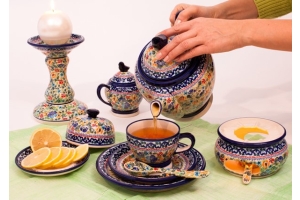
Polish ceramics from Bolesławiec, for example, are renowned for their hand-painted floral patterns in rich blues, greens, and earth tones. These pieces often feature naturalistic designs inspired by local flora, meadow scenes, and seasonal landscapes that reflect the region's agricultural heritage.
German and Austrian ceramics traditions emphasize precision and detail. They often incorporate heraldic motifs, hunting scenes, and folk art elements. The famous Bavarian beer steins represent this tradition, where functional objects become canvases for elaborate storytelling through ceramic art.
Similarly, Italian majolica ceramics showcase the Renaissance influence with their sophisticated color combinations and historical narrative scenes.
2. Contemporary Artistic Movements in Ceramics
Modern artistic ceramics have evolved to embrace contemporary art movements. Studio pottery movements have encouraged individual artistic expression, leading to innovative approaches that challenge conventional notions of ceramic art.
Contemporary ceramicists experiment with abstract forms, unconventional glazing techniques, and mixed-media approaches that incorporate ceramics into larger artistic installations.
The contemporary scene also includes functional pottery that elevates everyday objects through artistic treatment. Coffee mugs, dinner plates, and serving pieces become vehicles for creative expression while maintaining their practical utility.
3. Innovative Approaches
Advanced ceramic artists employ specialized techniques that push the boundaries of traditional pottery.
Crystalline glazes create stunning visual effects through controlled cooling processes that encourage crystal formation within the glaze surface.
These techniques require precise temperature control and timing, resulting in unique pieces with unpredictable but spectacular results.
Raku firing, borrowed from Japanese tea ceremony traditions, involves removing pieces from the kiln while still glowing hot and subjecting them to reduction atmospheres that create distinctive crackle patterns and metallic lusters.
These alternative firing methods produce artistic effects impossible to achieve through conventional glazing, adding another dimension to contemporary artistic ceramics.
How Do You Identify and Evaluate Quality Artistic Ceramics?
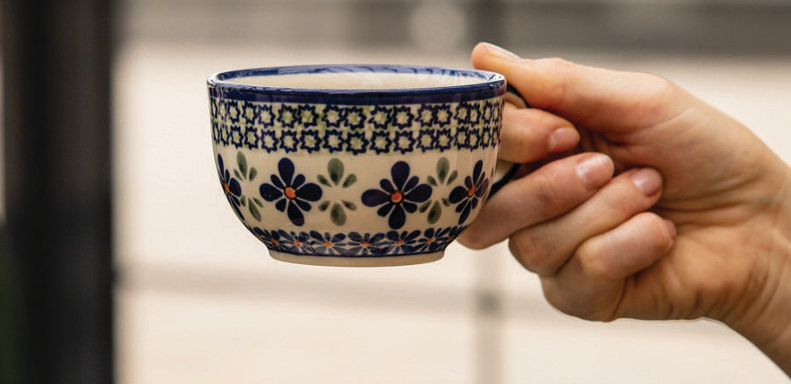
Distinguishing authentic artistic ceramics from mass-produced imitations requires a close investigation.
Genuine artistic ceramics display slight variations in form and decoration that indicate human involvement in their creation. Hand-painted designs show natural irregularities in brush strokes, color density, and pattern alignment that machine production cannot replicate.
The weight and feel of authentic artistic ceramics often differ from factory-made pieces as well. Handmade items, more often than not, have more substantial wall thickness and unique proportions.
Finally, examination of the base or unglazed areas can reveal tool marks, finger impressions, or other evidence of hand-forming techniques. These "imperfections" actually serve as authentication marks that verify the piece's artistic nature.
Evaluating Technical Quality and Craftsmanship
High-quality artistic ceramics demonstrate technical excellence in both forming and finishing. Well-made pieces show even wall thickness, smooth glazing without crawling or pinholing, and secure attachment of handles or decorative elements.
The firing quality becomes evident through proper glaze development, appropriate color saturation, and the absence of defects like cracking or warping.
Professional evaluation also considers the integration of decorative elements with the overall form.
Skilled ceramicists design decorations that complement and enhance the piece's shape rather than merely applying surface patterns. This holistic approach creates harmony between form and decoration that characterizes superior artistic ceramics.
Conclusion
Artistic ceramics represent a remarkable intersection of art, craft, and cultural heritage that continues to enrich our lives in the 21st century. These pieces are tangible connections to our cultural past while providing beauty and meaning in our daily routines.
The skilled hands of contemporary artisans preserve traditional techniques while embracing innovative approaches.
The investment in artistic ceramics showcases your support of traditional crafts and the preservation of cultural knowledge.
Frequently Asked Questions
How long does it take to create a single piece of artistic ceramics?
The creation timeline varies significantly depending on the complexity, size, and decoration detail of each piece. Simple hand-painted pieces might require 2-3 days, including drying and firing time, while elaborate decorative items can take several weeks.
Can artistic ceramics be safely used in dishwashers and microwaves?
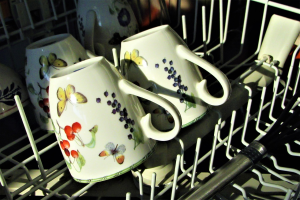
Most properly fired artistic ceramics with lead-free glazes are dishwasher and microwave safe, though hand washing is recommended to preserve decorative details.
How can I determine if a ceramic piece contains lead in its glaze?
Lead testing kits available at hardware stores can detect lead content in ceramic glazes, though professional testing provides more accurate results. Visual indicators include unusual brightness in colors (especially reds and yellows), a distinctly glossy surface texture, and pieces produced before 1970 when lead use was more common.
When in doubt, restrict suspect pieces to decorative use only, as lead can leach into food and beverages, particularly when exposed to acidic substances.
What factors affect the pricing of artistic ceramics?
Pricing reflects multiple variables, including artist reputation, technical complexity, time investment, material costs, and market demand. Hand-painted pieces command higher prices than stamped or transfer-decorated items due to labor intensity.
Limited edition works, pieces by established artists, or items representing endangered craft traditions typically cost more than contemporary production pieces. Size, functionality, and the number of firing cycles also influence pricing, with larger, more complex pieces requiring greater investment in time and materials.
Validate your login
Sign In
Create New Account