


Unlock the Magic of Fermented Foods with Polish Pottery


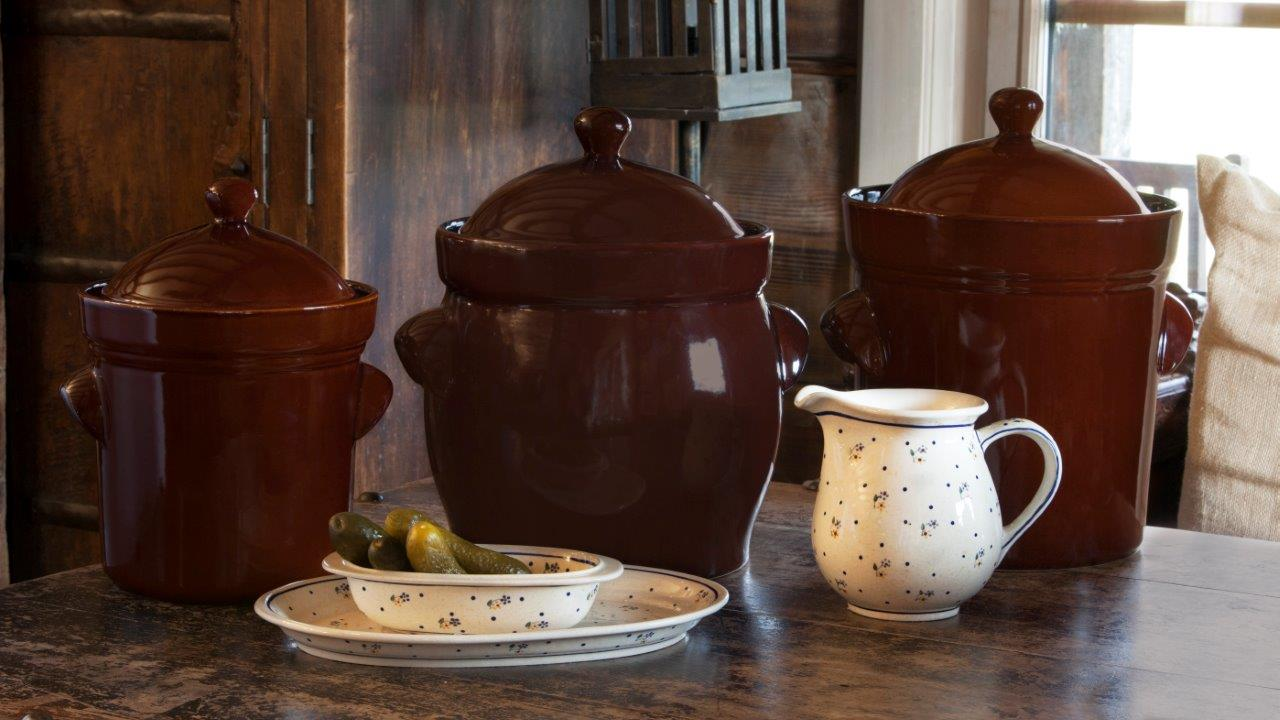
Traditional ceramic artisans have long understood what modern health enthusiasts are rediscovering: the perfect vessel can transform both the process and presentation of fermented foods.
Polish pottery, with its lead-free glazes and time-tested durability, offers an ideal marriage of function and beauty for those embracing the fermented food movement. From elegant dinner sets to practical kitchen accessories, these handcrafted pieces elevate every aspect of fermentation.
Read on to learn how authentic Bolesławiec ceramics can enhance your fermented food journey while bringing artisanal beauty to your table.
The Rise of Fermented Foods and Their Health Revolution
Fermentation is one of humanity's oldest food preservation methods, yet its health benefits continue to surprise modern science. Common fermented foods include kimchi, sauerkraut, kefir, tempeh, kombucha, and yogurt. These foods may help reduce the risk of heart disease, aid digestion, and support immunity and weight loss. The process works through beneficial microorganisms that convert carbohydrates into alcohol or acids, creating natural preservatives while developing complex flavors.
Beyond preservation, fermented foods offer remarkable nutritional advantages. The fermentation process actually increases the bioavailability of nutrients, making them easier for your body to absorb. Research shows these probiotic-rich foods can improve digestive health, boost immune function, and even support mental wellness through the gut-brain connection.
Popular fermented foods have gained mainstream acceptance as people discover their versatility and benefits:
-
Sauerkraut complements hearty meals
-
Kimchi adds spicy complexity to simple dishes
-
Kombucha offers a refreshing alternative to sugary beverages
-
Fermented dairy products offer creamy satisfaction with digestive benefits
Proper Storage: The Foundation of Fermentation Success
Successful fermentation relies heavily on maintaining proper storage conditions and using suitable containers. Glass and lead-free ceramic are the best options for containers. Avoid regular plastic, as the acids in fermented foods may leach plastic into your food. Temperature control, air circulation, and container material all play crucial roles in developing flavors while preventing unwanted bacterial growth.
The storage phase determines whether your fermented foods maintain their beneficial properties over time. Avoid using metal containers or lids, as they can corrode over time and negatively affect the taste and safety of your ferments. If using ceramic, ensure it is glazed and non-porous to prevent the absorption of the flavours or bacteria. These requirements make ceramic vessels particularly valuable for serious fermentation enthusiasts.
Key storage considerations include:
-
Temperature stability: Consistent cool temperatures preserve probiotic cultures
-
Air-tight sealing: Prevents contamination while allowing controlled fermentation
-
Non-reactive materials: Ceramic and glass won't interact with acidic fermented foods
-
Easy cleaning: Smooth, non-porous surfaces resist bacterial buildup
Professional fermenters recognize that the choice of container affects both safety and flavor development. The right vessel protects your investment in time and ingredients while ensuring optimal results.
Polish Pottery: Where Tradition Meets Modern Fermentation Needs
Polish pottery, particularly pieces from authentic manufacturers like Zakłady Ceramiczne Bolesławiec, offers unique advantages for enthusiasts of fermented foods. These ceramics combine traditional craftsmanship with modern functionality, creating vessels that excel in both fermentation and presentation.
The manufacturing process involves high-temperature firing, which creates non-porous, lead-free surfaces ideal for acidic foods. This durability means your pottery can transition seamlessly from the fermentation vessel to the serving piece.
According to the National Center for Home Food Preservation, a 1-gallon container is needed for each 5 pounds of fresh vegetables. Therefore, a 5-gallon stone crock is of ideal size for fermenting about 25 pounds of fresh cabbage or cucumbers.
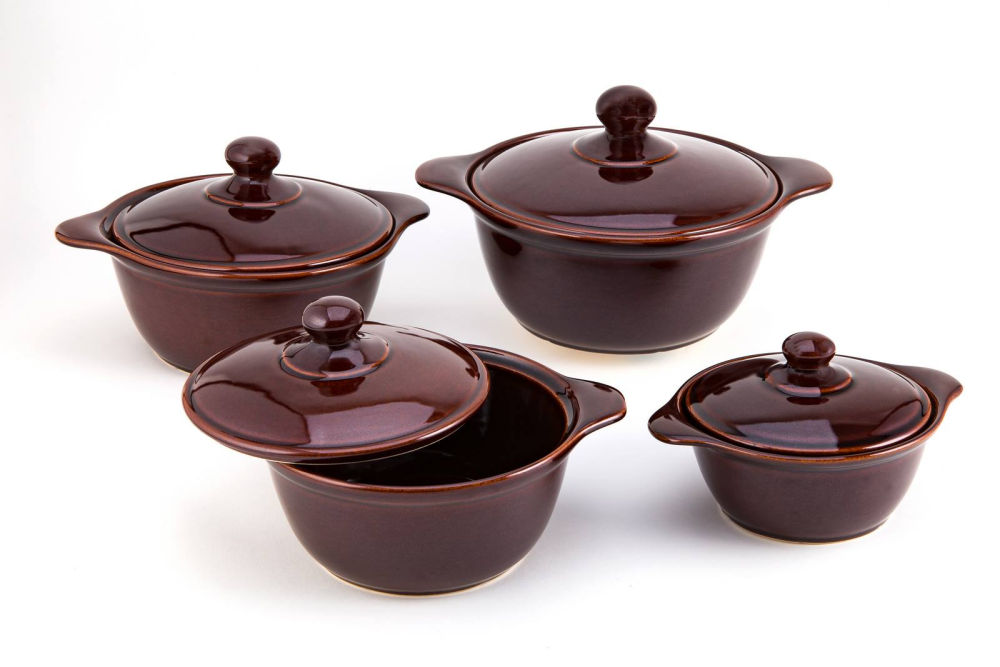
Polish pottery's versatility is evident in its applications across various product categories. Large bowls and soup tureens accommodate substantial fermentation batches, while smaller pieces serve finished products beautifully. The hand-painted decorations add the aesthetic appeal that plastic containers simply cannot match.
Temperature regulation is another advantage of ceramic vessels. The thermal mass of pottery helps maintain consistent temperatures during fermentation, reducing the risk of temperature spikes that could harm beneficial bacteria.
From Kitchen to Table: Serving Fermented Foods in Style
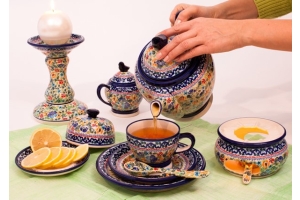
Once fermentation completes, presentation becomes equally important. Polish pottery excels in this transition, offering pieces that showcase fermented foods in an attractive manner. Dessert plates provide elegant platforms for small portions of fermented vegetables, while exclusive artistic decorations transform simple sauerkraut into a conversation starter.
The aesthetic appeal of handcrafted ceramics enhances the dining experience. When guests see fermented foods presented on beautiful pottery, they perceive higher value and sophistication. This psychological aspect encourages broader acceptance of fermented foods among hesitant diners.
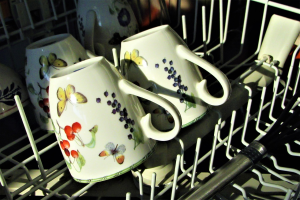
Practical benefits extend beyond appearance. The non-reactive glazes preserve flavors without imparting unwanted tastes, while the dishwasher-safe construction simplifies cleanup. Microwave compatibility allows gentle reheating when desired, though many fermented foods taste best at room temperature.
Consider these serving suggestions:
-
Small bowls: Perfect for individual portions of kimchi or fermented relishes
-
Larger platters: Showcase variety with multiple fermented options
-
Decorative containers: Store and serve directly from attractive ceramic vessels
Care and Maintenance: Preserving Your Investment
Polish pottery requires minimal maintenance while providing decades of service. The high-fired glazes resist staining from acidic fermented foods, though immediate rinsing prevents any potential discoloration. Regular cleaning with mild detergents preserves both function and appearance.
Proper storage of your ceramics protects your investment. Stack pieces carefully with protective padding, and avoid extreme temperature changes that could cause thermal shock. The durability of authentic Polish pottery means these pieces often become family heirlooms, passed down through generations of fermentation enthusiasts.
Seasonal rotation keeps your collection fresh and functional. Store rarely used pieces safely while keeping everyday items easily accessible. This approach maximizes both utility and longevity.
Conclusion: Embracing the Fermented Future with Polish Pottery
The convergence of traditional pottery craftsmanship and modern fermentation embodies a philosophy of mindful living that values both health and beauty. Polish pottery provides the perfect vessels for this journey, offering unmatched durability, functionality, and aesthetic appeal.
With fermented foods gaining more popularity for their health benefits, the choice of proper storage and serving vessels becomes increasingly important. Authentic Polish ceramics meet these needs while adding artisanal elegance to every meal.
Whether you're fermenting vegetables for the first time or expanding an established practice, investing in quality Polish pottery ensures your fermented foods receive the respect they deserve, from kitchen preparation to table presentation.
Validate your login
Sign In
Create New Account