


How To Choose Baking Dishes


Selecting the right baking dishes can transform your cooking experience from frustrating to delightful. The perfect baking dish ensures even heat distribution, prevents sticking, and delivers consistently excellent results.
Modern kitchens offer countless options for baking dishes, from traditional ceramic to innovative silicone designs. The right choice depends on your cooking style, budget, and aesthetic preferences.
This comprehensive guide explores the essential aspects of choosing baking dishes. We'll examine materials, sizes, shapes, and features that matter most.
Let's get started.
What Material Should Your Baking Dish Be Made Of?
The material of your baking dish significantly impacts cooking performance, durability, and maintenance requirements. Each material offers distinct advantages for different types of baking and cooking scenarios.
1. Glass Baking Dishes
Glass baking dishes provide excellent heat retention and allow you to monitor food while it cooks. Borosilicate glass handles temperature changes well and distributes heat evenly. These dishes work beautifully for casseroles, gratins, and baked desserts.
The transparency of glass makes it easy to check browning and doneness without opening the oven. Glass dishes retain heat longer than metal, keeping food warm during serving. They're also non-reactive, meaning acidic ingredients won't affect the dish's surface or food flavor.
However, glass requires careful handling to prevent thermal shock. Sudden temperature changes can cause cracking or shattering. Always allow glass dishes to cool gradually and avoid placing them directly from the freezer to the oven.
2. Ceramic Baking Dishes
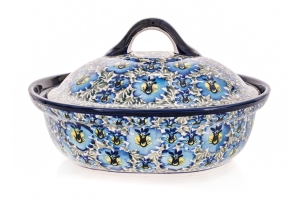
Ceramic baking dishes offer superior heat retention and elegant presentation options. High-quality ceramic distributes heat evenly and maintains temperature exceptionally well.
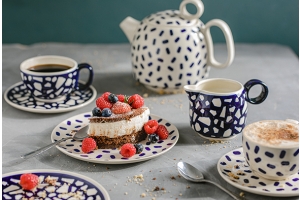
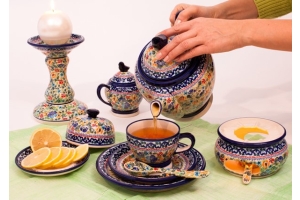
Many ceramic dishes feature beautiful glazes and decorative patterns. They add visual appeal to your dining presentation while providing excellent cooking performance. Ceramic works particularly well for slow-cooking dishes like braises and stews.
The thick walls of ceramic dishes provide excellent insulation but require longer preheating times. They're heavier than other materials and need careful handling to prevent chipping. Quality ceramic dishes can last decades with proper care.
3. Metal Baking Dishes
Metal baking dishes heat quickly and provide excellent browning capabilities.
-
Stainless steel offers durability and resistance to scratching and denting.
-
Aluminum conducts heat efficiently and works well for everyday baking needs.
-
Carbon steel develops natural non-stick properties over time with proper seasoning.
-
Cast iron provides exceptional heat retention and can go from stovetop to oven seamlessly.
Metal dishes cool quickly after removal from the oven. They're typically lighter than ceramic or glass options and stack efficiently for storage. However, reactive metals can interact with acidic foods, potentially affecting flavor.
4. Silicone Baking Dishes
Silicone baking dishes offer flexibility and easy food release without greasing. They're naturally non-stick and dishwasher safe for convenient cleanup. Silicone withstands extreme temperatures and won't crack or shatter like glass.
These lightweight dishes fold for compact storage and come in numerous colors and shapes. They're particularly useful for delicate items like individual desserts or intricate molds. Silicone works well for both baking and freezing applications.
The flexibility that makes removal easy can also make handling full dishes challenging. Silicone doesn't brown food as effectively as rigid materials. Higher-quality silicone performs better and lasts longer than cheaper alternatives.
How Do Size and Shape Impact Your Baking Results?
The size and shape of your baking dish directly affect cooking times, heat distribution, and final results. Understanding these relationships helps you choose dishes that deliver consistent, professional-quality outcomes.
Capacity and Depth
Standard sizes range from individual 6-ounce ramekins to family-sized 4-quart casseroles. Matching dish size to recipe requirements ensures proper cooking and prevents overflow.
Depth affects how heat penetrates food and influences cooking times.
-
Shallow dishes cook faster and create more surface browning.
-
Deeper dishes take longer but accommodate layered recipes and larger quantities.
Rectangular vs. Round vs. Oval Shapes
-
Rectangular baking dishes maximize oven space efficiency and work well for layered dishes like lasagna. They provide uniform depth and easy portioning for family meals.
-
Square dishes offer similar benefits in more compact sizes.
-
Round dishes promote even heat circulation and work beautifully for gratins and fruit crisps. They're ideal for dishes that benefit from consistent cooking throughout.
-
Oval dishes bridge the gap between round and rectangular benefits. They accommodate whole chickens, roasts, and elongated vegetables nicely.
Specialty Shapes and Their Uses
Individual-sized dishes create elegant single servings and portion control. They're perfect for soufflés, pot pies, and desserts.
Loaf pans work for more than just bread baking. They're excellent for meatloaf, terrines, and pound cakes. The narrow, deep shape promotes even cooking and attractive slicing.
Specialty shapes add visual interest to celebrations. These dishes often require adjusted cooking times due to their unique dimensions.
Which Features Make Baking Dishes Worth the Investment?
Premium features can significantly enhance your baking experience and justify higher initial costs through improved performance and longevity.
Handles and Grip
Well-designed handles make lifting and maneuvering baking dishes safer and more comfortable.
Look for handles that remain cool during cooking and provide a secure grip even with oven mitts.
Side handles work better than single-end handles for larger dishes. They provide balanced lifting and reduce the risk of spills. Some handles feature thumb grips or textured surfaces for enhanced security.
Lids and Covers
Tight-fitting lids trap moisture and heat for braising and steaming effects. They prevent splattering and help maintain consistent cooking temperatures.
Look for lids that seal well but aren't difficult to remove when hot.
Vented lids provide controlled steam release for specific cooking techniques. They prevent over-steaming while maintaining moisture levels.
Durability
High-quality construction ensures years of reliable performance.
Look for smooth, even surfaces without bubbles, cracks, or rough spots.
Temperature ratings indicate safe usage ranges for your cooking needs. Thermal shock resistance prevents cracking from sudden temperature changes.
Conclusion
Choosing the right baking dishes involves balancing material properties, size requirements, and feature preferences with your cooking style and budget.
The best baking dishes combine excellent performance with practical convenience for your specific needs. Take time to evaluate your cooking style, storage space, and maintenance preferences.
Quality bakeware becomes a long-term kitchen investment that enhances every cooking experience.
Frequently Asked Questions
Can I use metal baking dishes in a microwave oven?
Never use metal baking dishes in microwave ovens. Metal reflects microwaves and can cause dangerous arcing, sparks, and potential fire hazards. Stick to glass, ceramic, or microwave-safe silicone for microwave cooking and reheating.
How do I remove stubborn stains from ceramic baking dishes?
Create a paste using baking soda and water, then let it sit on stains for 15-20 minutes before scrubbing gently. For tougher stains, try soaking in a solution of one part white vinegar to three parts water overnight. Avoid abrasive cleaners that can damage glazed surfaces.
Are expensive baking dishes really worth the extra cost?
Higher-priced dishes often feature better materials, more even heat distribution, and superior durability. They typically last longer and perform more consistently than budget alternatives. Consider your usage frequency and performance expectations when deciding on investment level.
Validate your login
Sign In
Create New Account