


Can You Put Pottery in the Microwave?


To microwave or not to microwave? That is the question many pottery owners face when deciding how to heat food in their cherished ceramic pieces. The warm aesthetic and tactile appeal of pottery make it a popular choice for serving meals, but uncertainty often arises about its compatibility with modern kitchen technology.
Read on to learn how to identify microwave-safe pottery and understand the key factors determining whether your favorite ceramic pieces belong in your microwave or should remain safely on your shelf.
Understanding What Makes Pottery Microwave Safe
Pottery's microwave compatibility depends primarily on its physical composition and manufacturing process, not just its outward appearance.
When microwaves penetrate pottery, they interact with water molecules trapped within the clay body, causing them to vibrate rapidly and generate heat. Properly vitrified (fully fired) ceramics have minimal water content, allowing microwaves to pass through without creating excessive internal heating that could damage the piece. Pottery that hasn't reached complete vitrification may contain pockets of moisture that expand when microwaved, potentially causing cracking or breakage.
A piece’s microwave safety depends on its clay body composition. High-fire stoneware and porcelain tend to be more resistant than low-fire earthenware, thanks to their denser structure and complete vitrification. Since firing temperatures influence how clay particles fuse, materials fired above 2200°F (1200°C) generally offer better durability for microwave use.
Understanding these fundamental properties helps explain why some pottery pieces come out unscathed from microwave use while others develop cracks or become uncomfortably hot to handle after a brief heating cycle.
Can You Microwave Pottery? Identifying Safe Options
Is it safe to put pottery in a microwave? The answer varies depending on several identifiable characteristics you can assess before placing any ceramic piece in your microwave.
Commercial pottery often features clear indicators of microwave compatibility. Look for "microwave safe" labels typically stamped on the bottom of mass-produced pieces. These markings provide manufacturer assurance that the item has been tested for microwave use. The absence of such markings doesn't necessarily mean the piece cannot be microwaved, but it suggests proceeding cautiously.
For unmarked pottery, examine these visual and physical cues:
-
smooth, non-porous surfaces generally indicate well-vitrified clay that performs better in microwaves
-
uniform thickness throughout the piece helps distribute heat more evenly
-
absence of metallic decorations, gold or silver lusters, or metallic paint
-
no visible cracks, chips, or crazing (fine surface cracks in the glaze)
When assessing vintage or antique pottery, exercise additional caution. Older pieces often contain lead-based glazes or other components that don't meet current safety standards. These items might release harmful substances when heated, making them unsuitable for food use regardless of their structural integrity in the microwave.
Take note that prolonged exposure to high levels of lead can lead to lead poisoning, posing serious health risks for both children and adults. Children under six years old are particularly vulnerable, as lead toxicity can severely impact mental and physical development.
Adults exposed to significant amounts of lead can also experience various health complications. Common symptoms of lead poisoning include high blood pressure, joint and muscle pain, memory and concentration difficulties, headaches, abdominal discomfort, mood disturbances, and reproductive issues such as reduced sperm count or abnormalities. For pregnant women, lead exposure can increase the risk of miscarriage, stillbirth, or premature birth. Minimizing contact with lead-contaminated materials is essential to safeguarding overall health and preventing long-term complications.
Handmade Pottery and Microwave Safety
Can you microwave handmade pottery? That question requires special consideration due to the variable nature of artisanal ceramic production.
Handmade pottery exhibits greater variation in composition, firing temperature, and overall construction than mass-produced alternatives. Professional potters typically fire their work to appropriate temperatures for functional use, but practices vary widely.
When purchasing handmade pottery, ask the artisan specifically about microwave compatibility. Most experienced potters can provide reliable information about their work's functional properties.
Several factors influence whether handmade pottery will perform well in microwaves:
Firing Temperature
The firing temperature is perhaps the most critical factor. As noted earlier, high-fire pottery (cone 9-10, approximately 2300°F/1260°C) generally offers excellent microwave durability. Mid-range firing (cone 5-6, approximately 2160°F/1180°C) typically produces microwave-safe results when properly executed. Low-fire pottery (cone 06-04, approximately 1830°F/1000°C) may present higher risks unless formulated explicitly for microwave use.
Glaze Composition
Commercially produced glazes designated for functional ware undergo testing for food safety and typically perform well in microwaves. Handmixed or experimental glazes may contain unknown properties that affect microwave performance. Matte glazes sometimes contain more unfused particles that could potentially absorb microwave energy differently than smooth, glossy surfaces.
Testing Pottery for Microwave Safety
Before committing to microwaving your favorite pottery pieces, performing simple tests helps determine their compatibility with this heating method.
Start with a water test to assess basic microwave safety. Place the empty pottery piece in the microwave alongside a microwave-safe cup filled with water. Heat both for 30 seconds. If the pottery becomes significantly hotter than the water cup, it's absorbing microwave energy rather than allowing it to pass through—a sign it may not be suitable for microwave use. The ideal result shows the water heating up while the pottery remains relatively cool to the touch.
For pieces that pass the initial test, proceed with a functional test. Fill the pottery with a small amount of water and microwave for 30 seconds. Check whether the container heats evenly and if the water temperature increases as expected. Uneven heating or excessively hot spots on the pottery indicate potential safety issues.
When testing hand-painted or decorated pottery, pay special attention to the adorned areas, as these often contain materials that may react differently to microwave energy. Metallic decorations particularly warrant caution since they can cause sparking or overheating.
Special Considerations for Pottery Types
Different pottery varieties require specific attention when considering microwave use.
Stoneware
The high firing temperatures of stoneware typically result in microwave-friendly characteristics. Dense, well-vitrified stoneware handles microwave heating well, particularly pieces with smooth, evenly applied glazes. However, handmade pieces with very thick walls might heat unevenly, creating thermal stress that could lead to cracking over time.
Earthenware
Earthenware poses greater challenges for microwave use. Its relatively porous nature means it often absorbs more water, making it potentially problematic when microwaved. Terracotta and other low-fired earthenware pieces generally face higher risks of cracking or breaking during microwave heating. These pieces often work better for serving food rather than heating it.
Porcelain and Bone China
Porcelain and bone china usually perform excellently in microwaves. This is due to their high firing temperatures and complete vitrification. Their translucent quality allows microwaves to pass through without causing internal heating of the pottery itself. However, delicate construction or thin walls may still create physical vulnerability to thermal shock.
Can You Put Pottery in the Microwave? Practical Tips
When using microwave-safe pottery, following certain practices helps maximize safety and longevity.
-
Avoid thermal shock – Thermal shock in pottery occurs when heat transfers too quickly to or from the surface of a material, causing internal stress. This sudden temperature change can lead to cracking or structural failure, compromising the integrity of the ceramic component. To avoid that from happening, never transfer pottery directly from the refrigerator to the microwave. Allow it to reach room temperature first. Likewise, avoid placing hot pottery on cold surfaces immediately after microwaving to prevent cracking.
-
Use moderate power settings – Instead of high-intensity heating, opt for medium power levels to reduce stress on the pottery while still warming contents efficiently.
-
Heat in short intervals – Brief heating periods with intermittent checks help monitor both food temperature and the condition of the pottery, ensuring safe use.
-
Be cautious with decorated pottery – Even if the clay body is microwave-safe, decorative elements may not be. Avoid microwaving pieces with metallic accents, such as gold or silver rims, as they can spark and damage the pottery and the appliance.
Conclusion
Pottery can indeed be microwave-friendly, but not all ceramic pieces merit equal confidence in this modern cooking environment. The answer to "Can you put pottery in the microwave?" ultimately depends on its composition, manufacturing process, and specific characteristics. Well-vitrified stoneware and porcelain typically perform well, while porous earthenware and pieces with metallic decorations require caution or complete avoidance.
For maximum safety, always verify microwave compatibility through manufacturer markings or careful testing before regular use. When in doubt, particularly with cherished handmade pieces, traditional heating methods offer safer alternatives that preserve both your pottery and peace of mind.
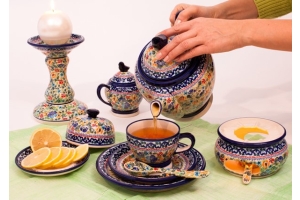
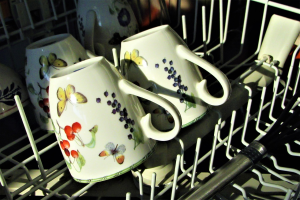
Understanding what makes pottery microwave-safe and recognizing potential risk factors, you can make informed decisions that allow your ceramic collection to serve both practical and aesthetic purposes in your kitchen for years to come. Consider investing in functional pieces like ceramic mugs and tea sets specifically designed for daily use, or explore versatile baking dishes that transition seamlessly from oven to table.
Validate your login
Sign In
Create New Account